
Buying guide
Brush, flap or a whole new letterplate?
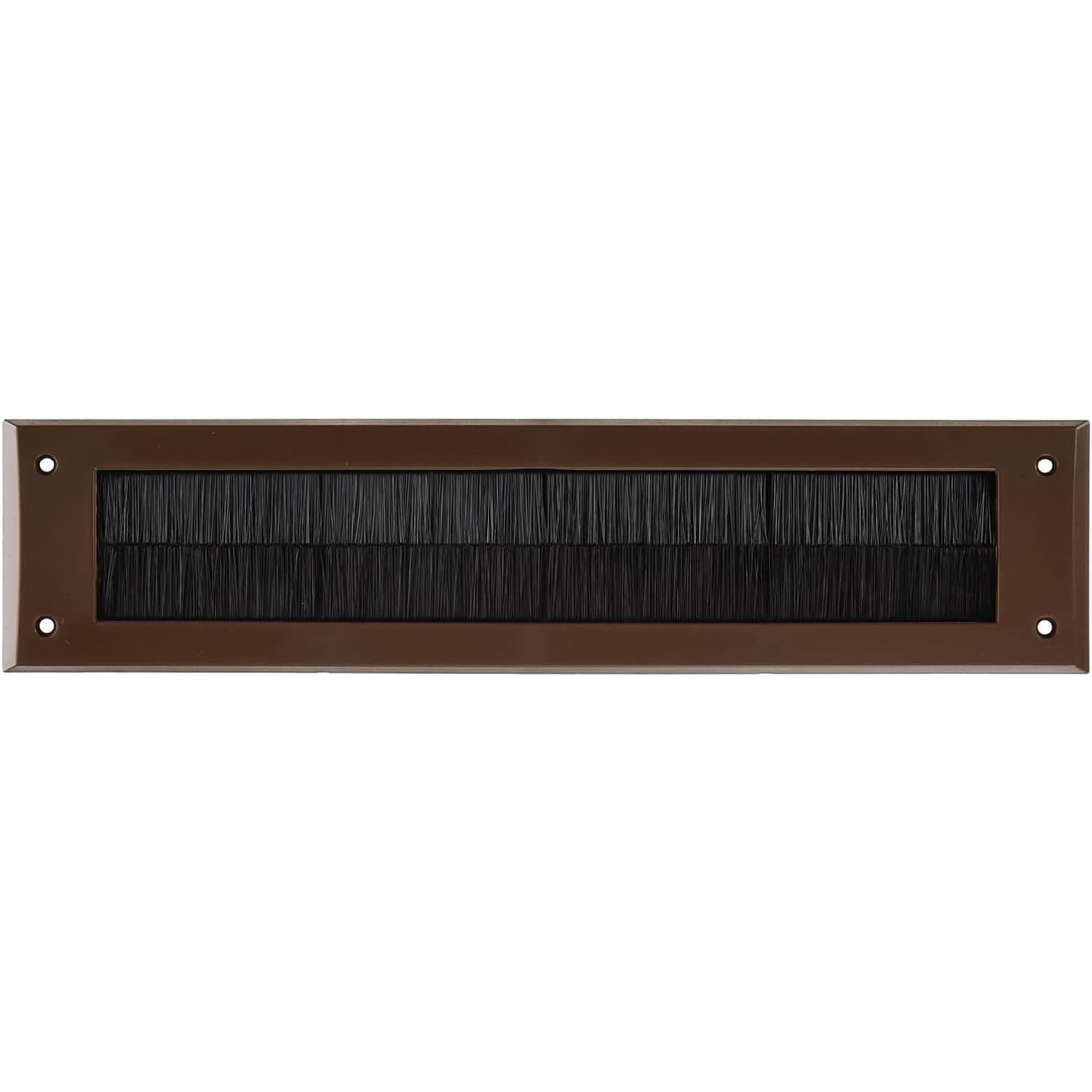
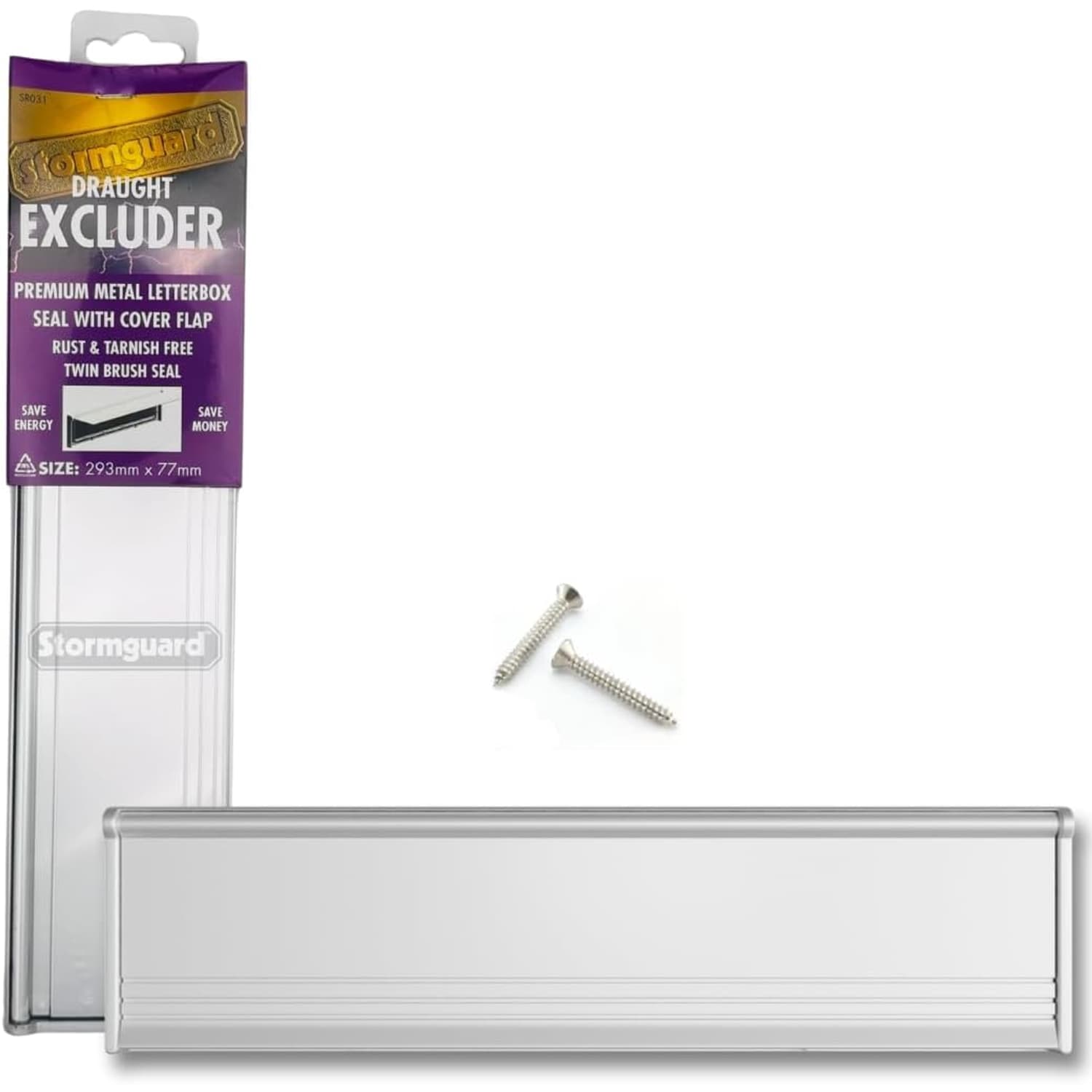
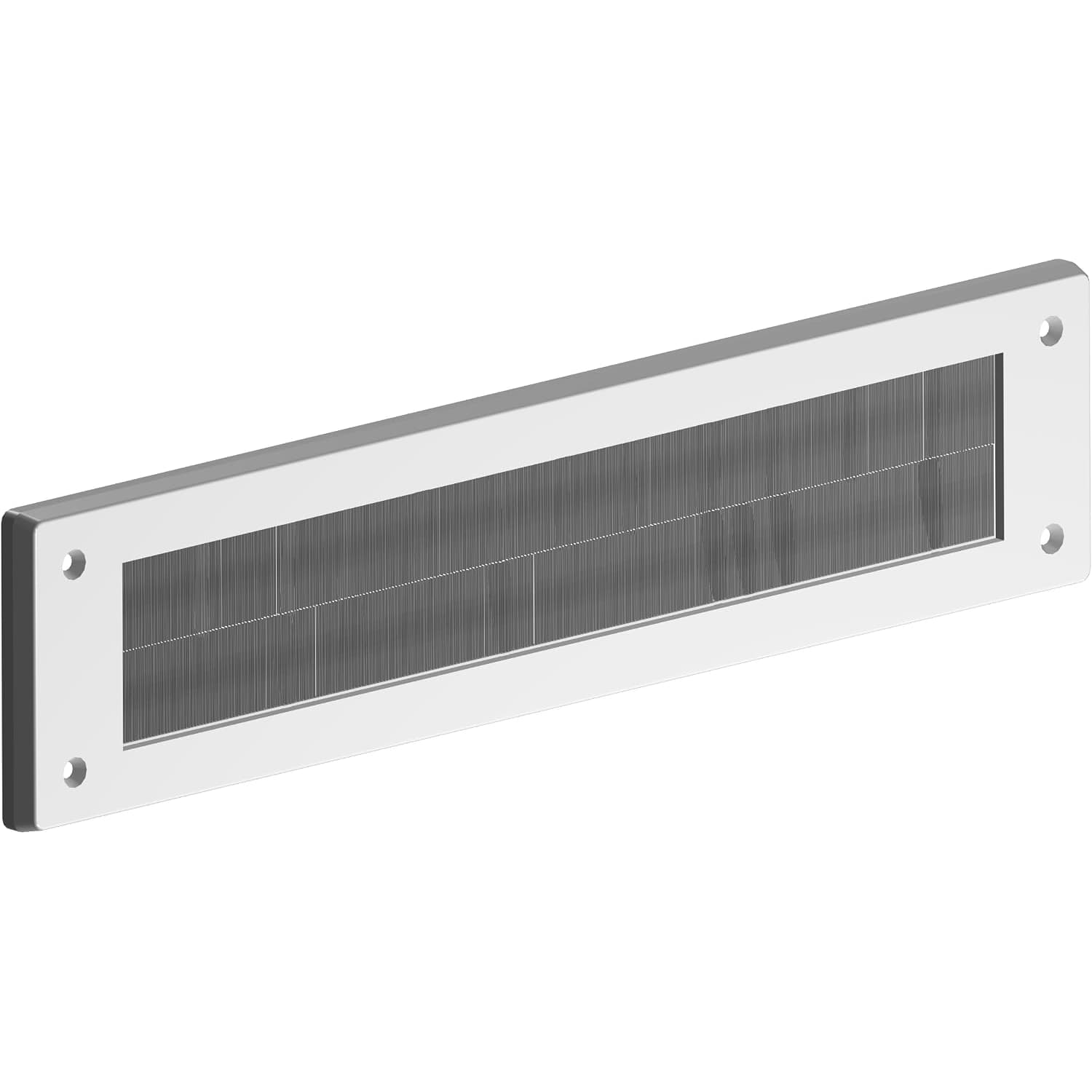
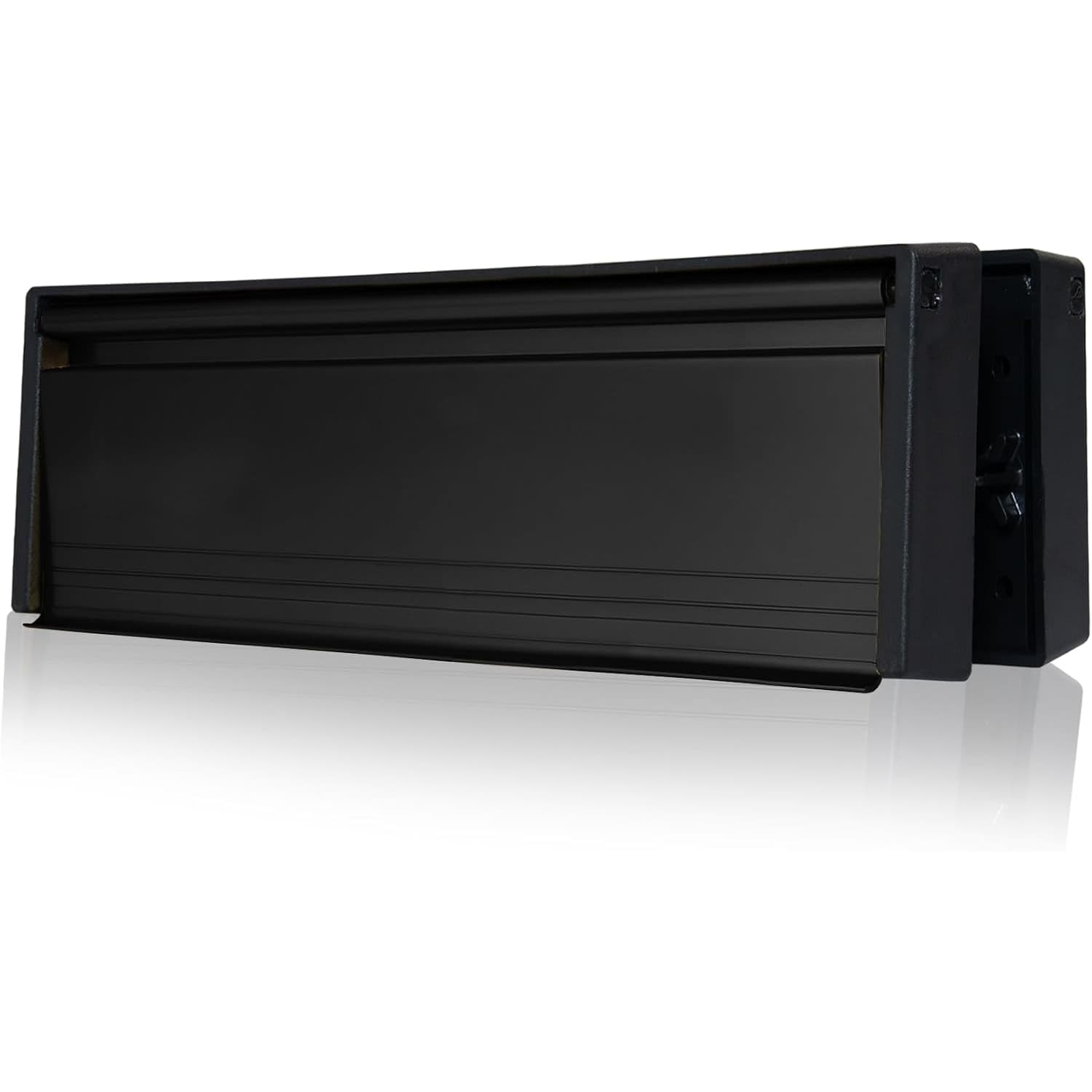
An internal brush cover is the quick fix. It screws to the inside of the door, the brushes close around the post as it falls through, and the draught that was coming through the aperture drops sharply. A new letterplate with a sprung internal flap goes further, because it replaces a worn mechanism with a tighter seal.
If your existing plate is in good condition and you simply want less air, a brush cover is the cheapest answer. If the flap is bent or the sprung hinge has gone, replace the plate.
Measure the aperture and the fixing centres
Measure the opening in the door and the distance between the screw holes of the existing plate, because the cover must sit over the aperture without blocking the post. Standard UK letterbox apertures are about 250mm to 280mm wide, and the product pages give the cover's outside size and its internal opening so you can compare.
Door thickness also matters for a telescopic letterplate, which has a sleeve that must cover the depth of the door.
Catchers and cages for dogs and deliveries
A letterbox catcher is a fabric or metal bag that catches the post as it comes through. It stops the post landing on the mat where a dog can reach it, and it blocks the open letterbox slightly. A cage is a rigid alternative, which is useful for larger parcels and tougher on a determined dog.