
Buying guide
Match the tape to the gap, not the other way round
The most common reason foam tape fails is that it was the wrong thickness for the gap. A seal has to be slightly compressed when the door or window closes. If it is too thin it never touches both surfaces, and if it is too thick the door will not shut properly or the hinges and catches will be strained.
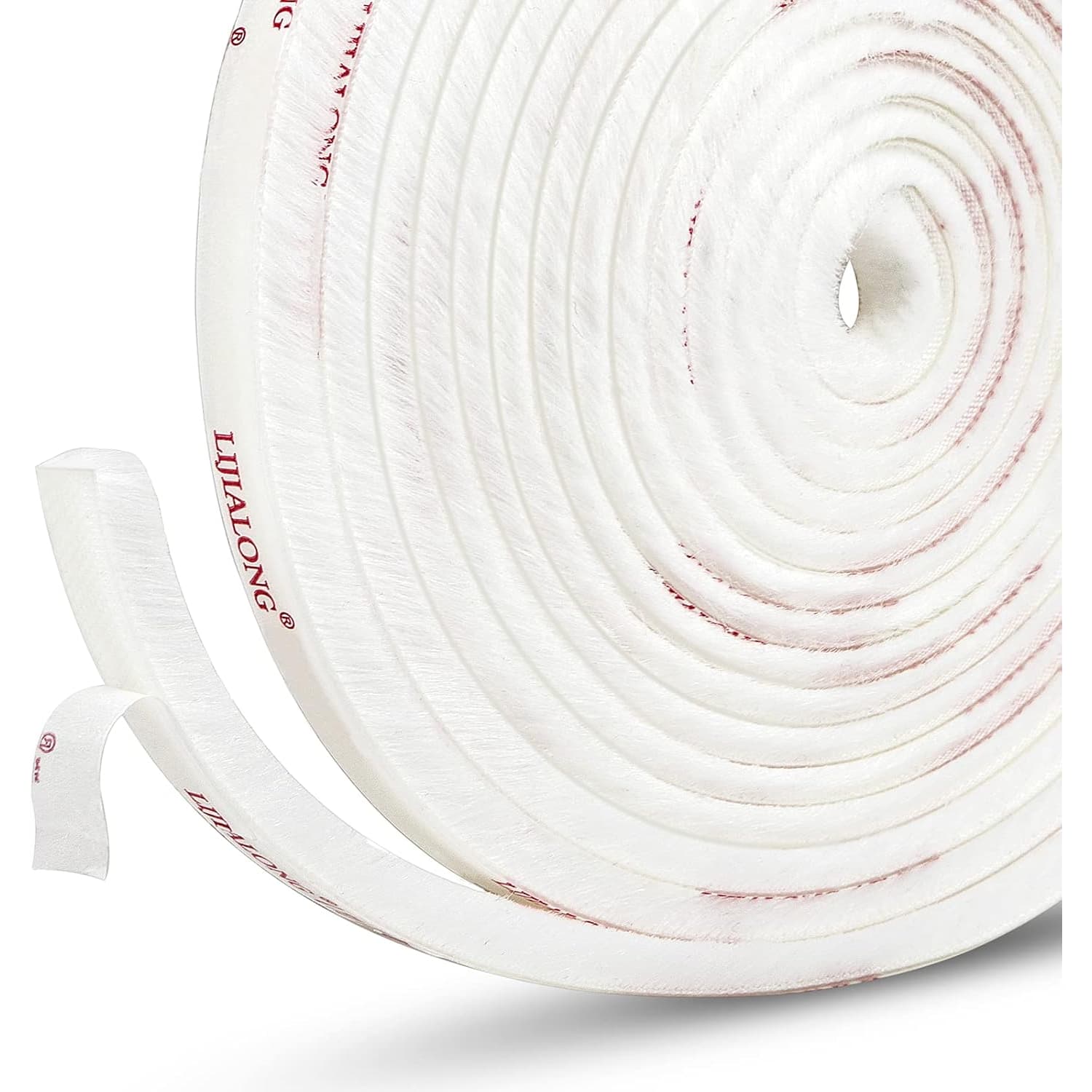
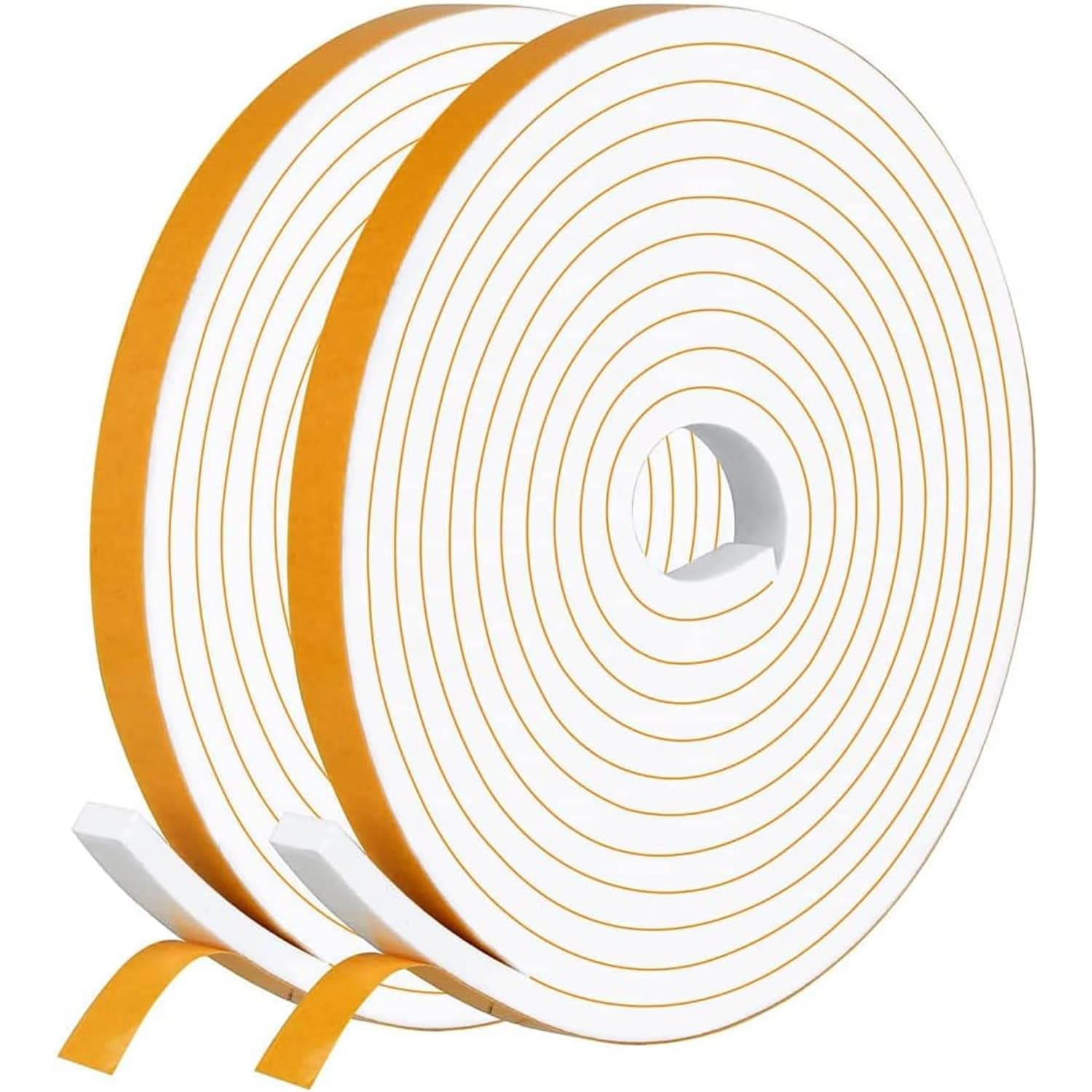
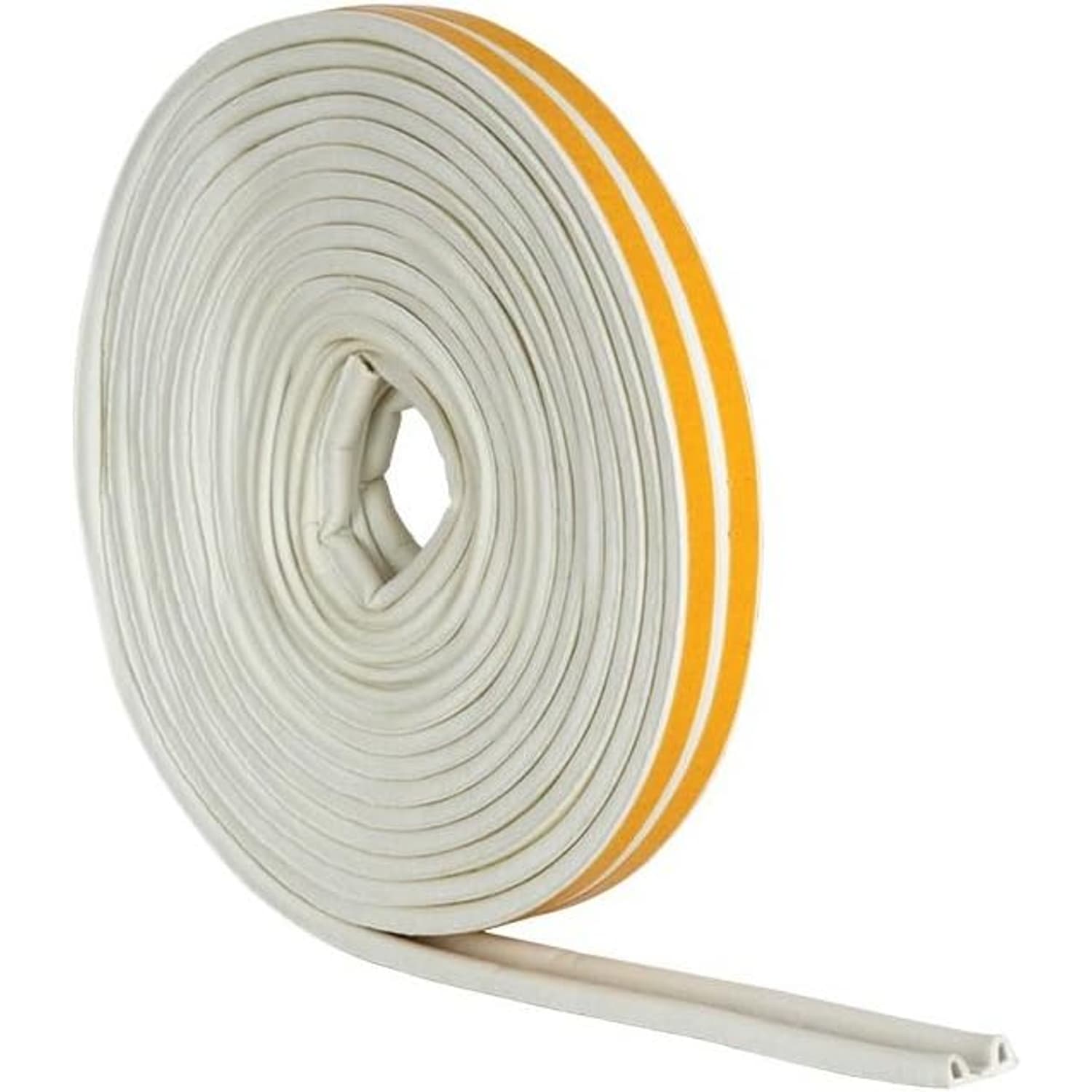
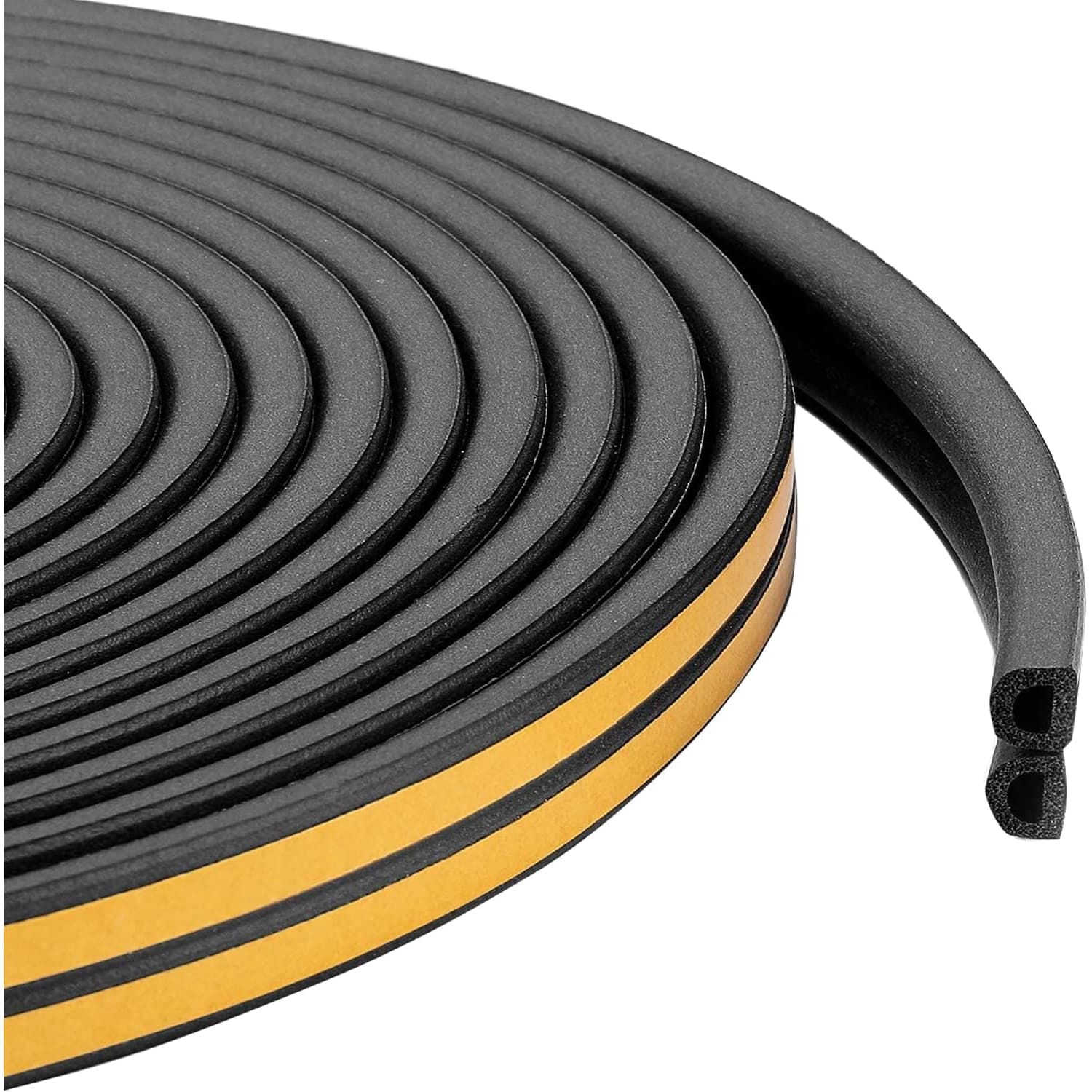
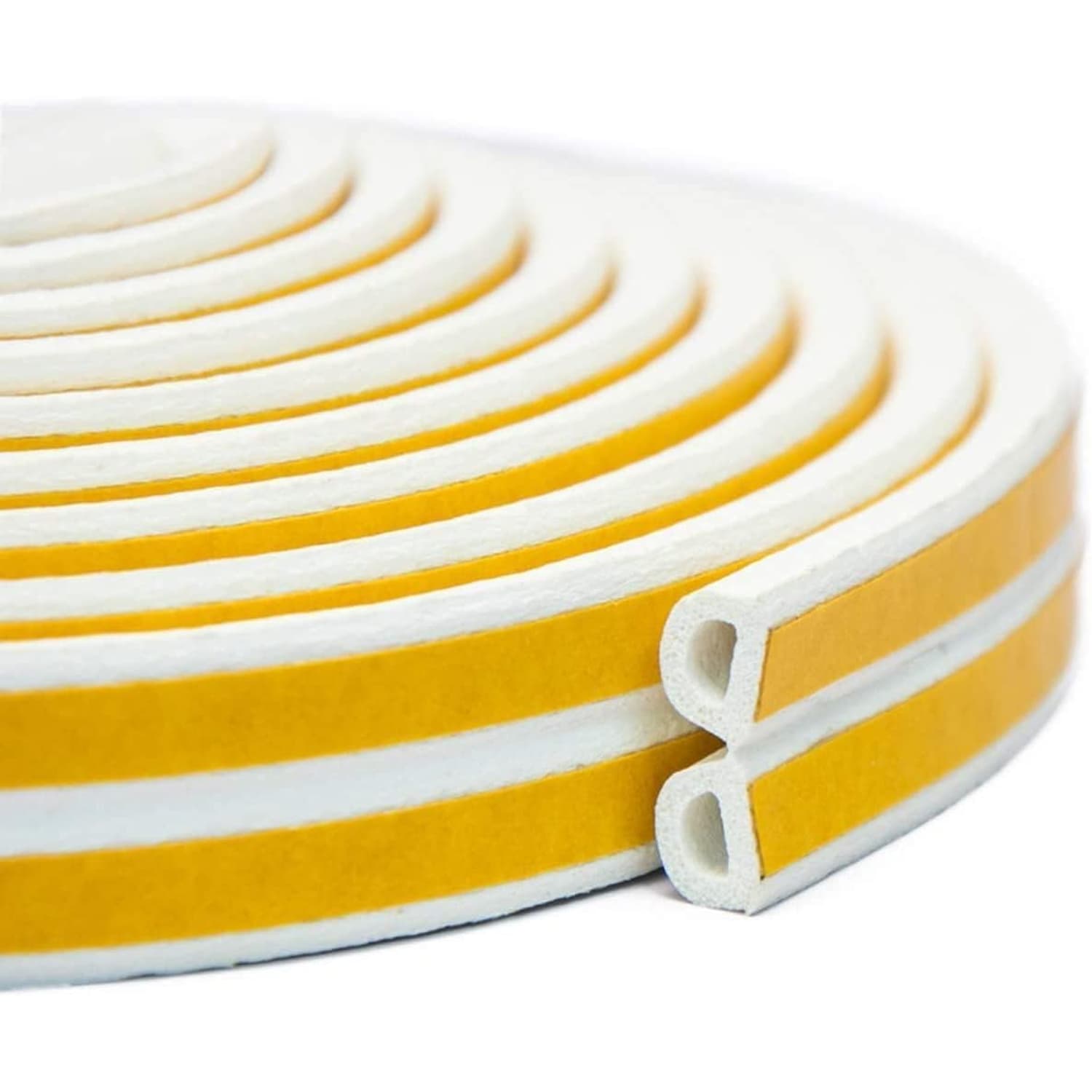
Slide a piece of card or a feeler gauge into the gap to read its width, and then pick a profile that is a little bigger than that. A D-profile suits gaps of roughly 3mm to 6mm, a P-profile suits slightly larger and more uneven gaps, and a brush pile suits wide or varying gaps where compression is not an option.
Foam, rubber or brush
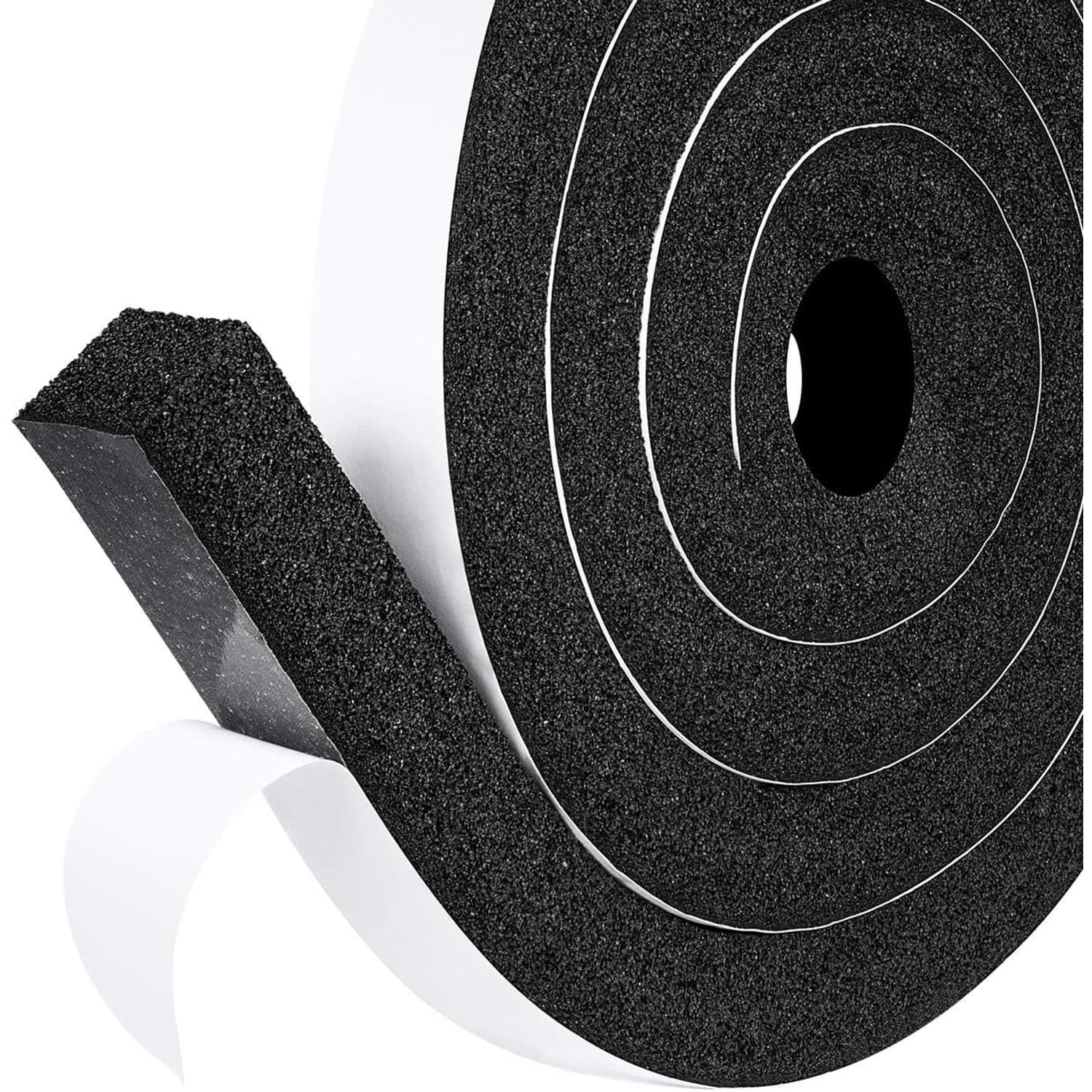
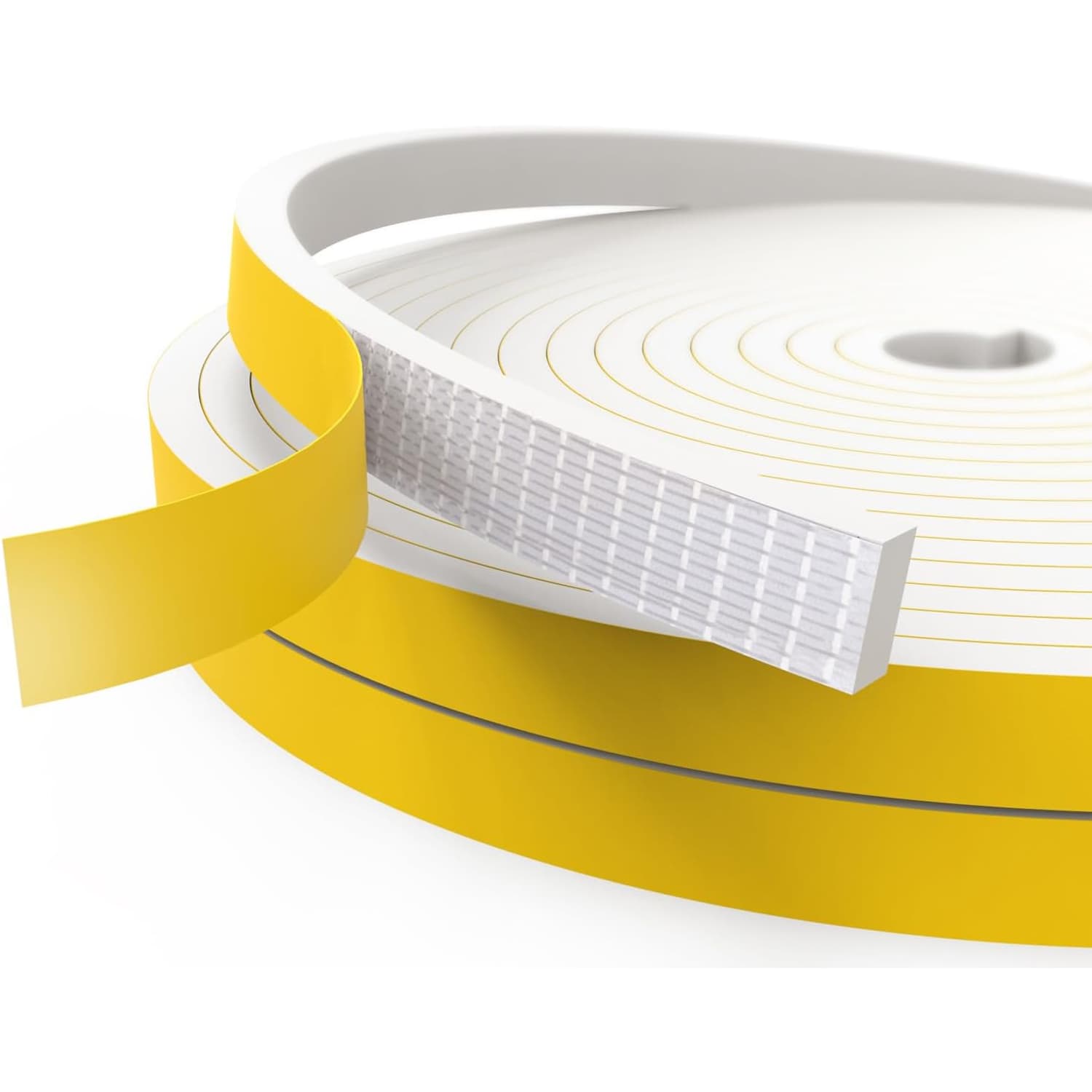
Open-cell foam is soft, cheap and compresses easily, but it ages and crumbles faster. Closed-cell foam and EPDM rubber hold their shape for longer and are more resistant to water. Brush strip is the choice for sliding sashes and sliding doors, where a compressible seal would catch on the moving part.
Colour is worth a thought: white blends with a painted or uPVC frame, black is less visible against a dark hardwood or aluminium frame.
Getting it to stick
Clean the frame with a damp cloth, then wipe it dry with a clean one. Fit the tape when the room and the frame are both warm, because adhesive loses grip on a cold surface. Press the tape on firmly along its length, do not stretch it, and make sure the corners meet without a gap.