
Buying guide
Which type of under door draught excluder suits your door?
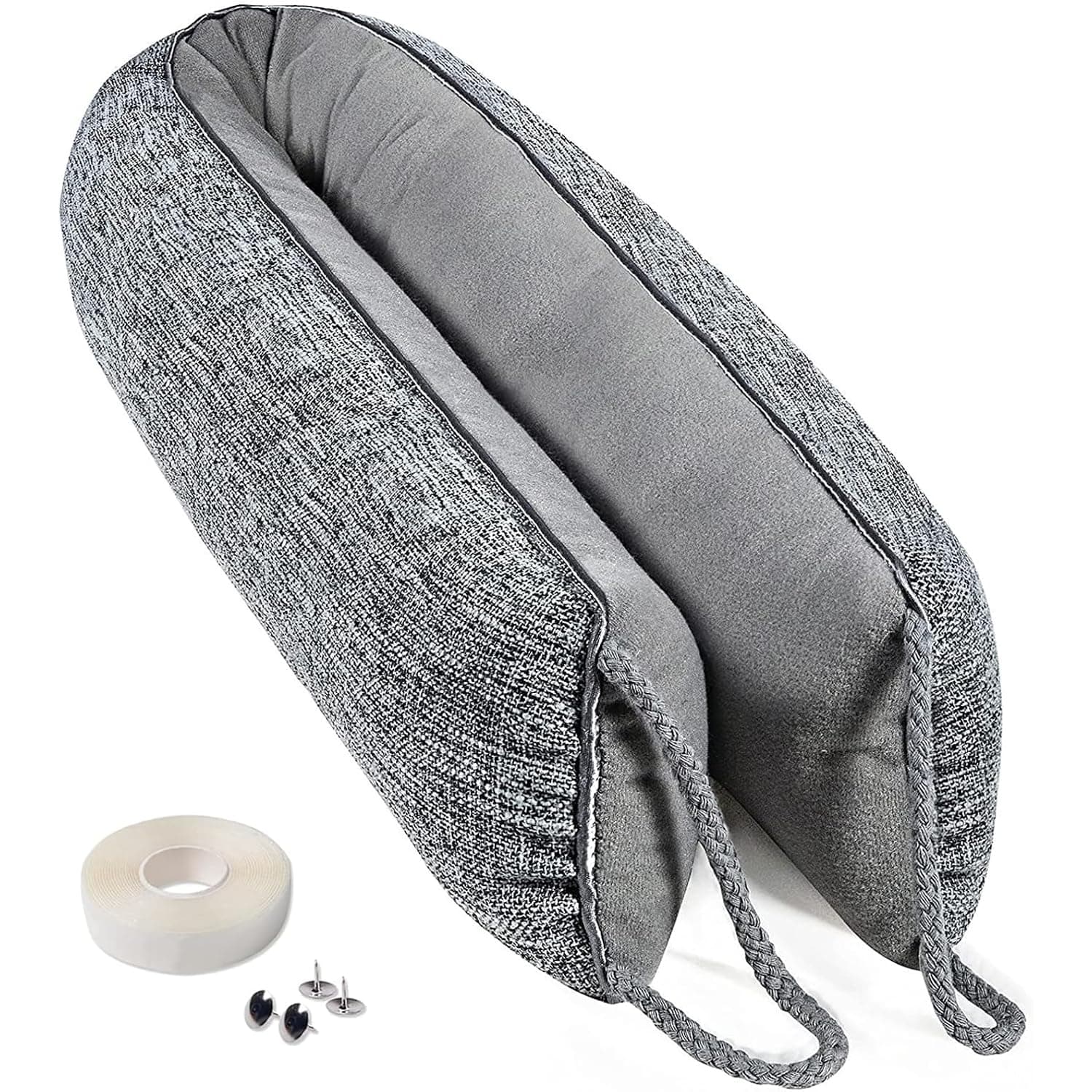
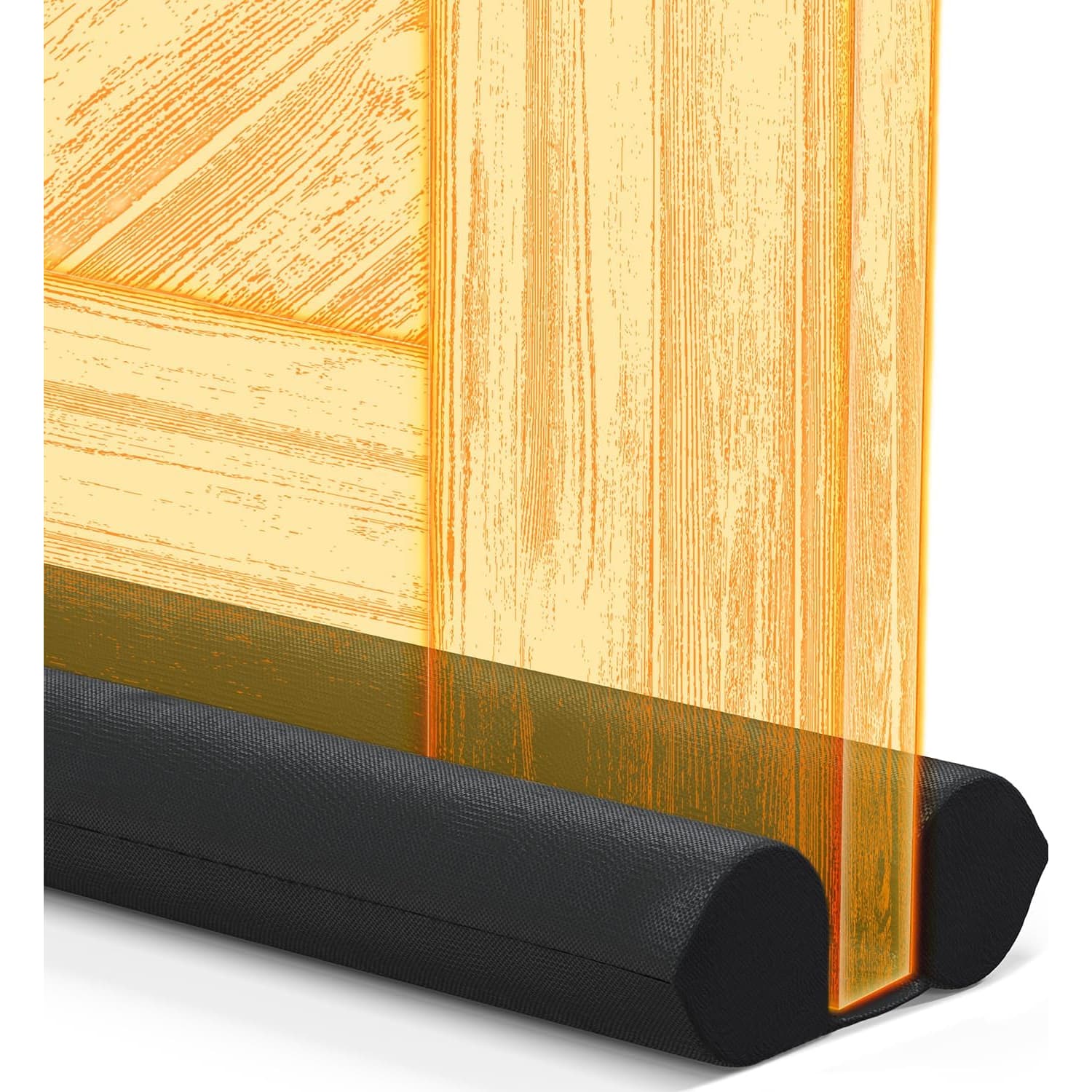
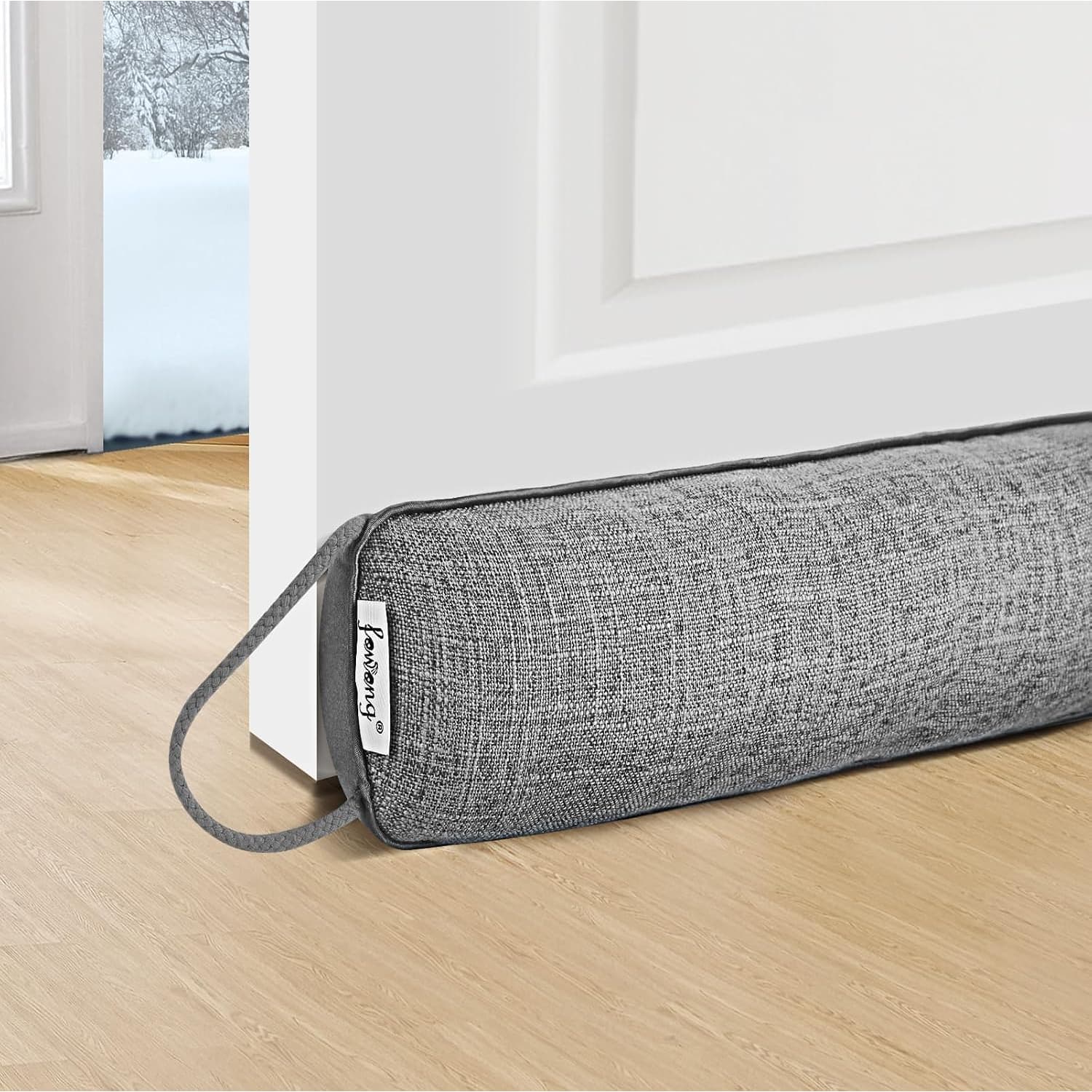
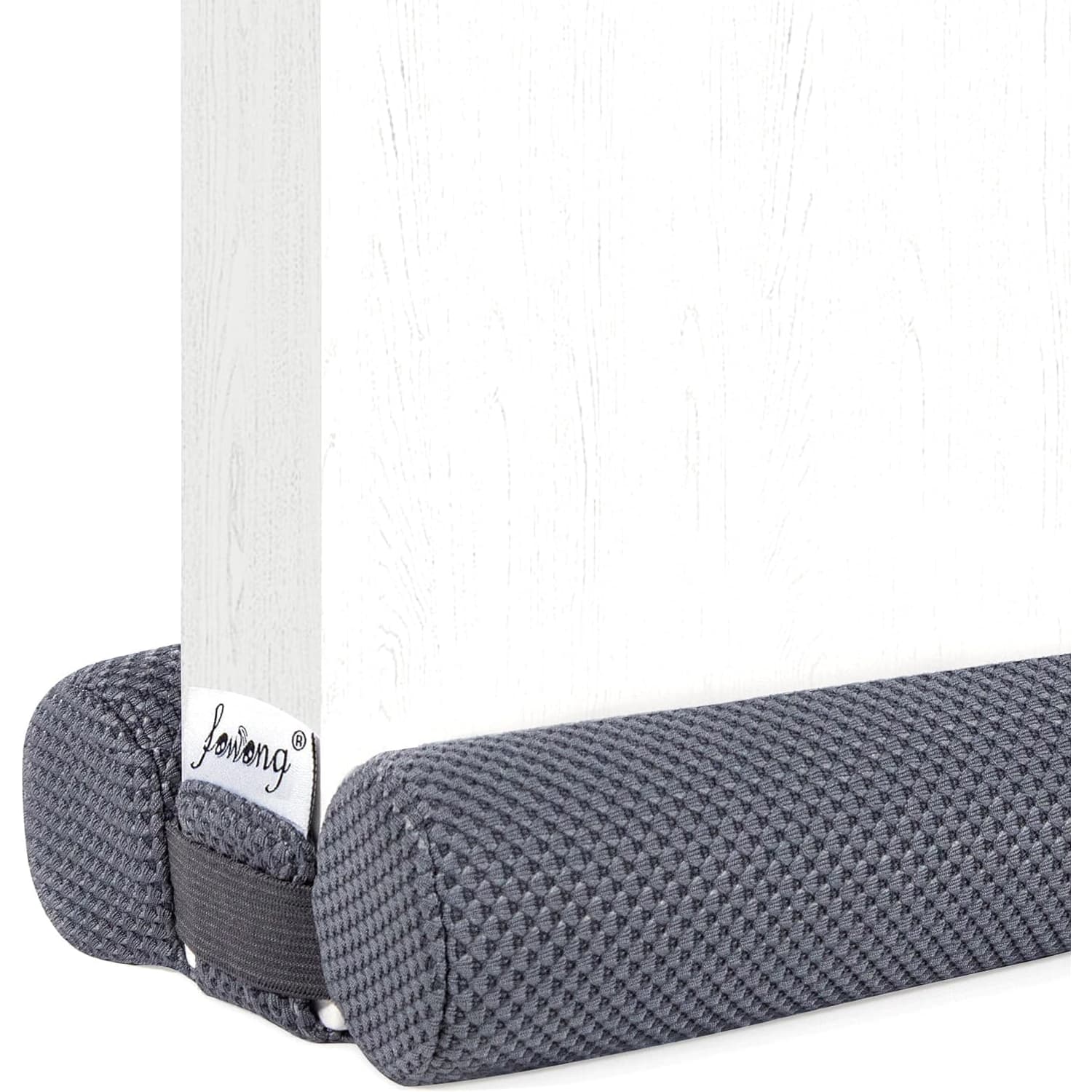
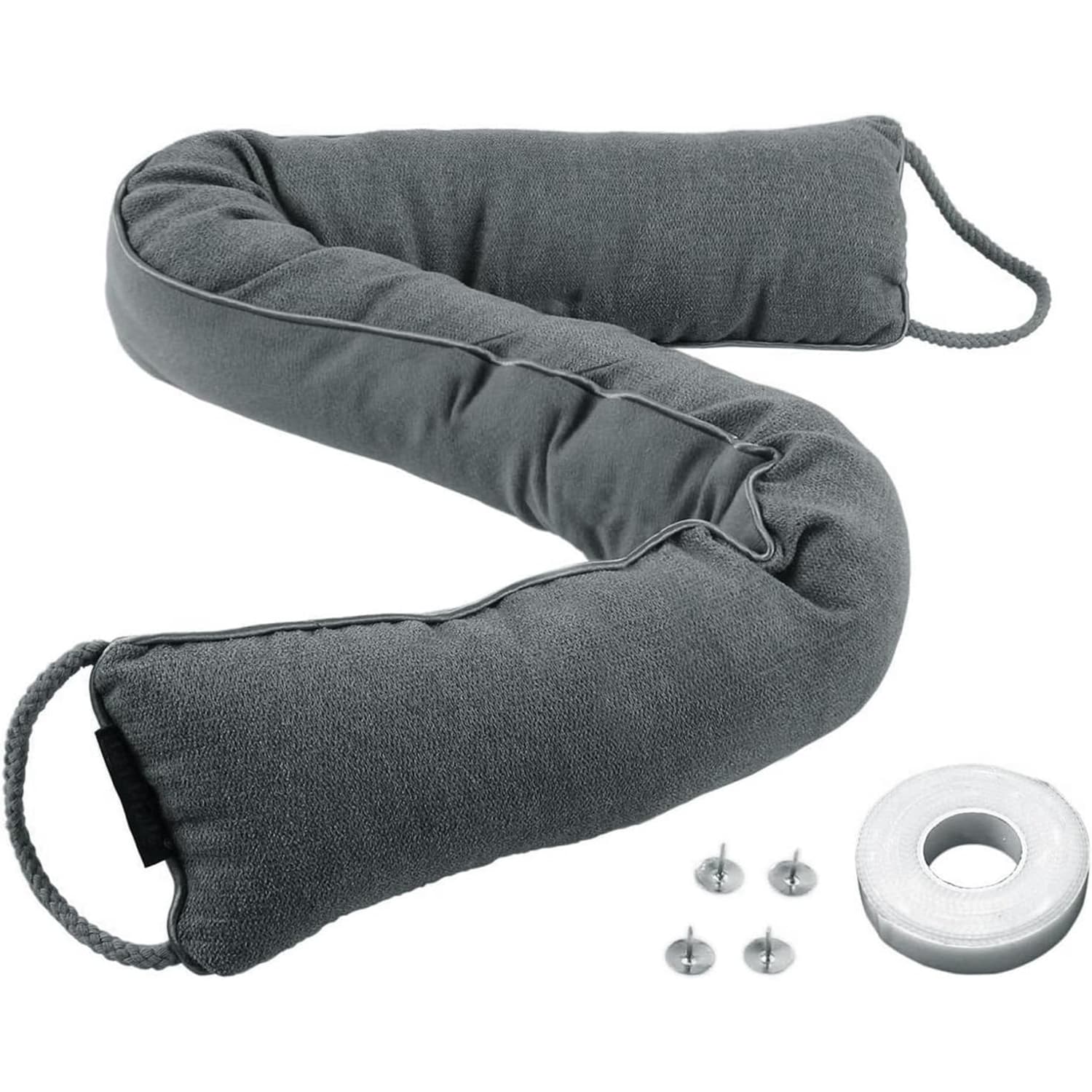
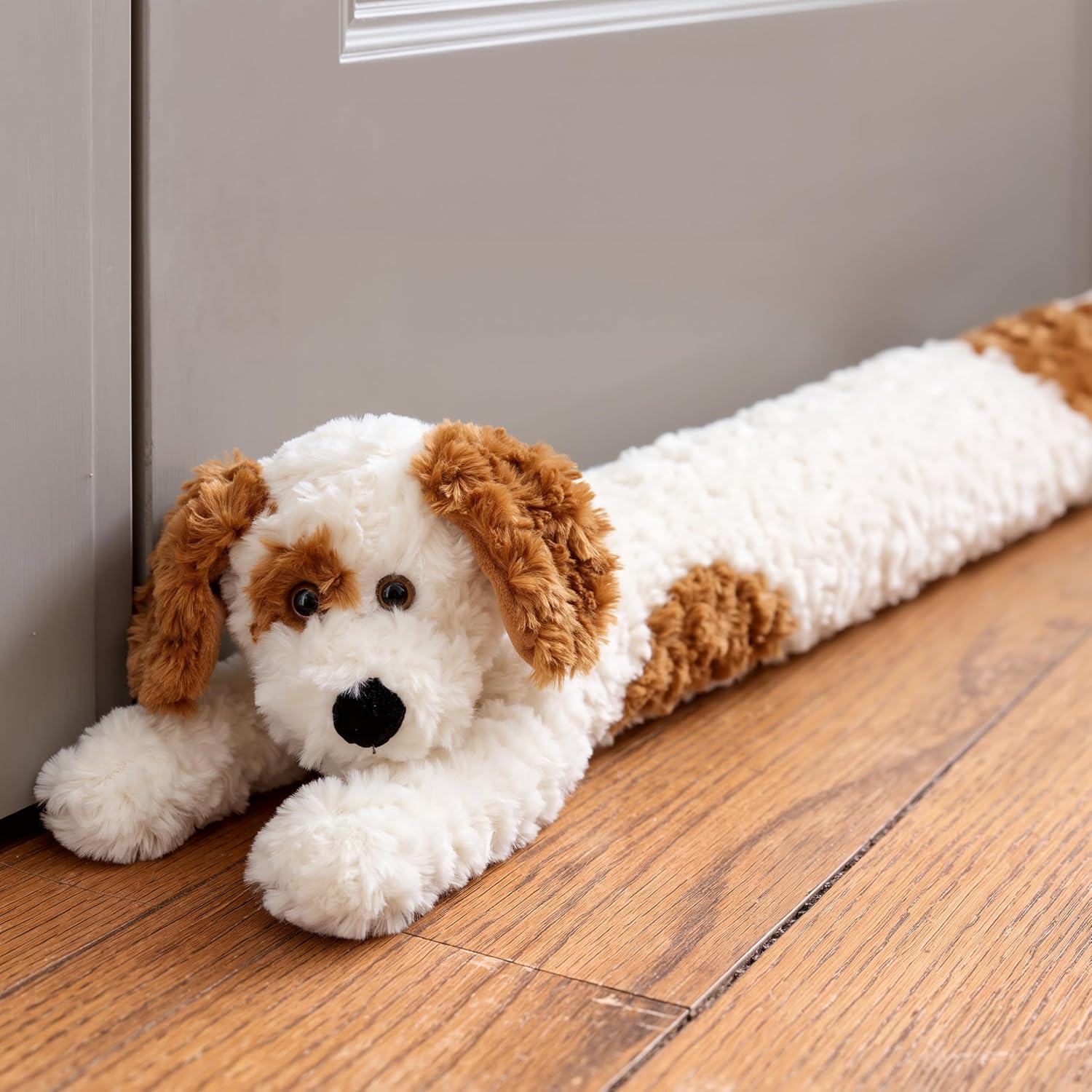
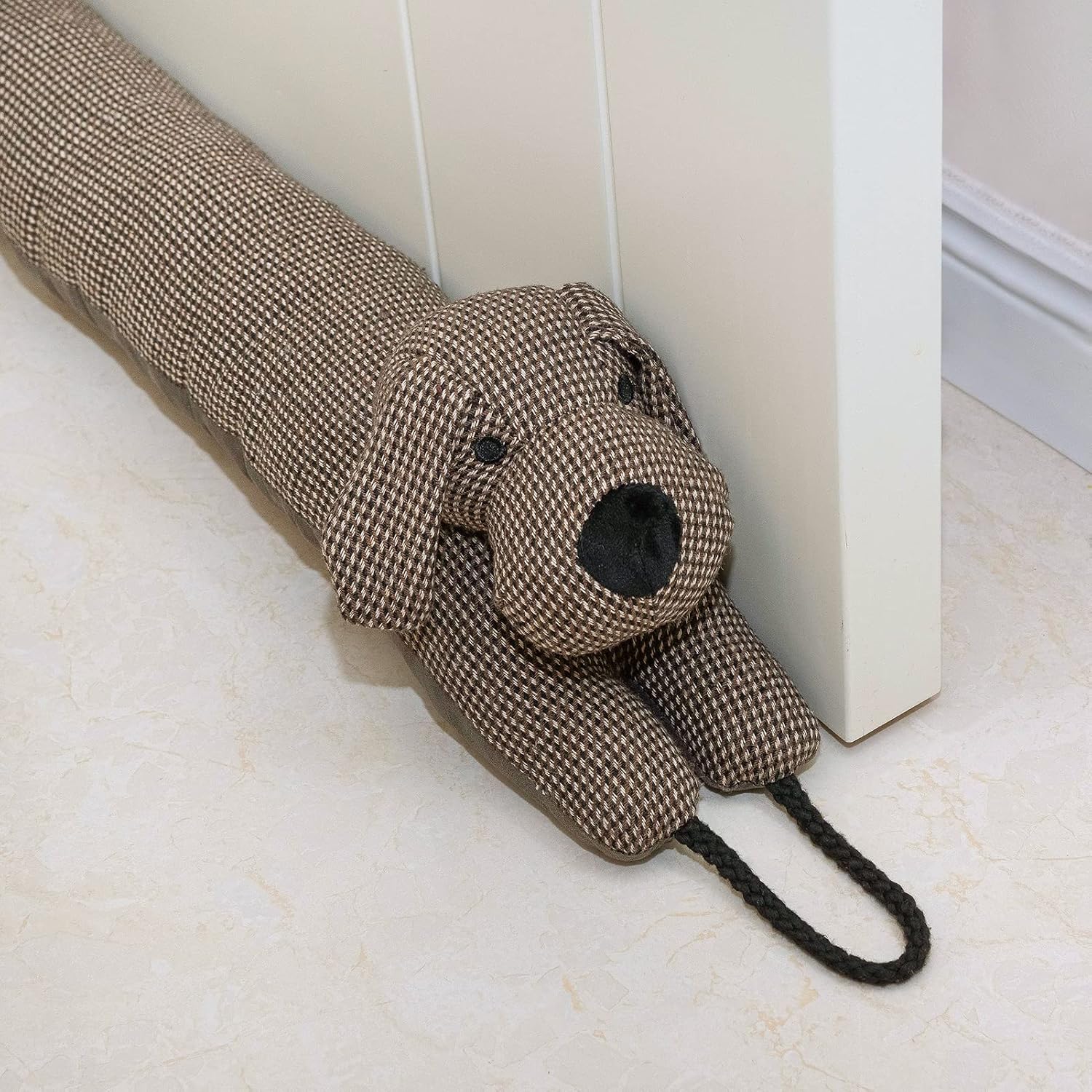
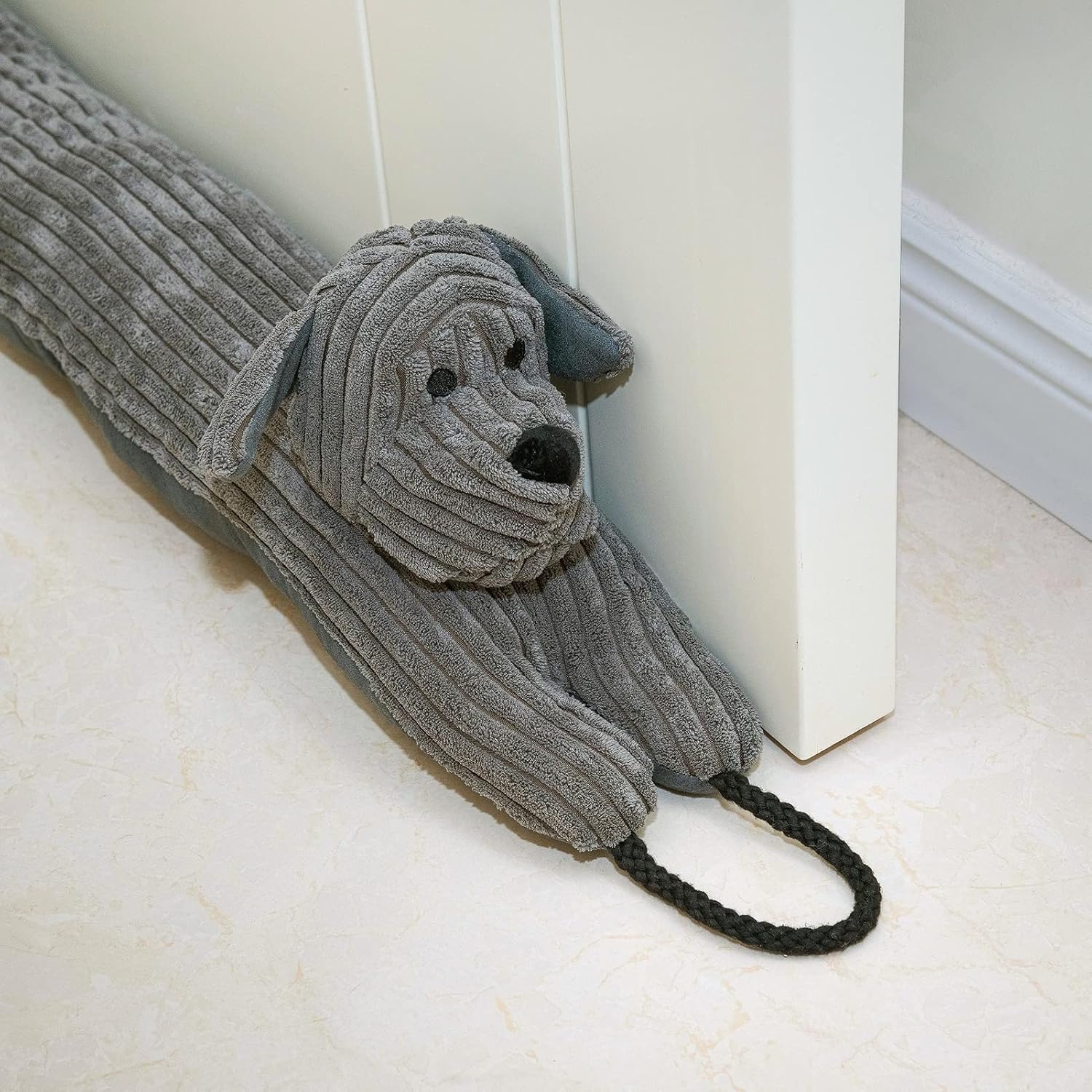
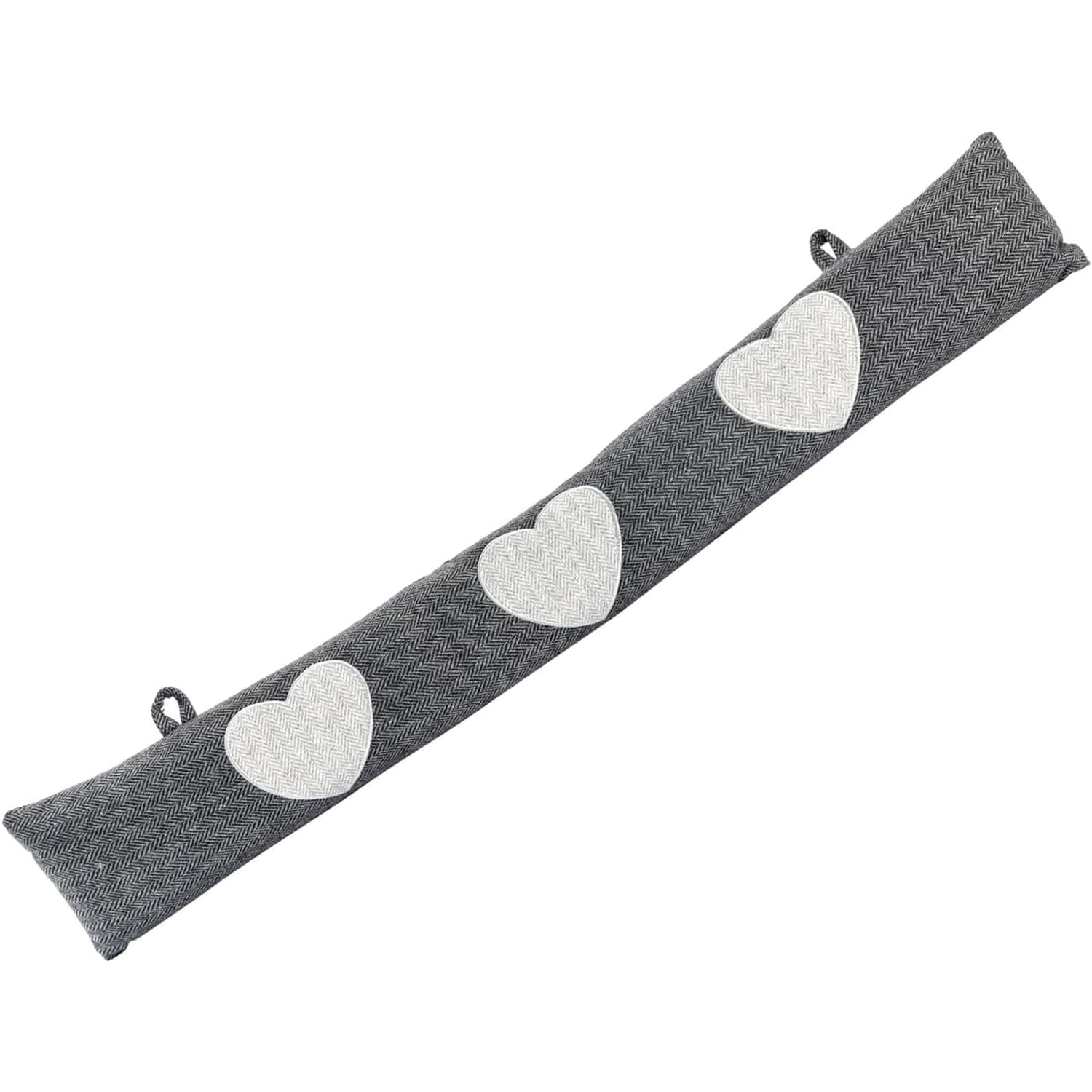
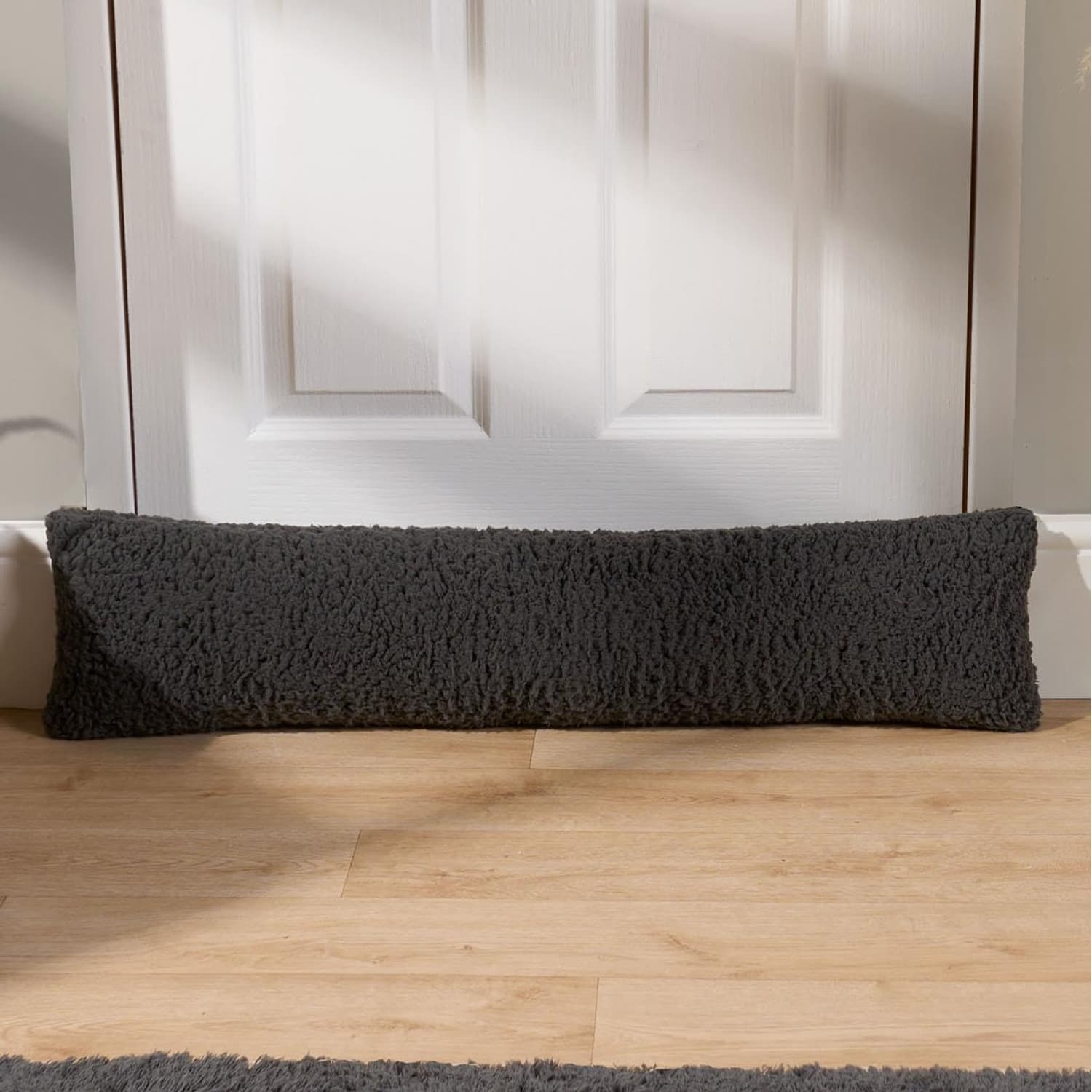
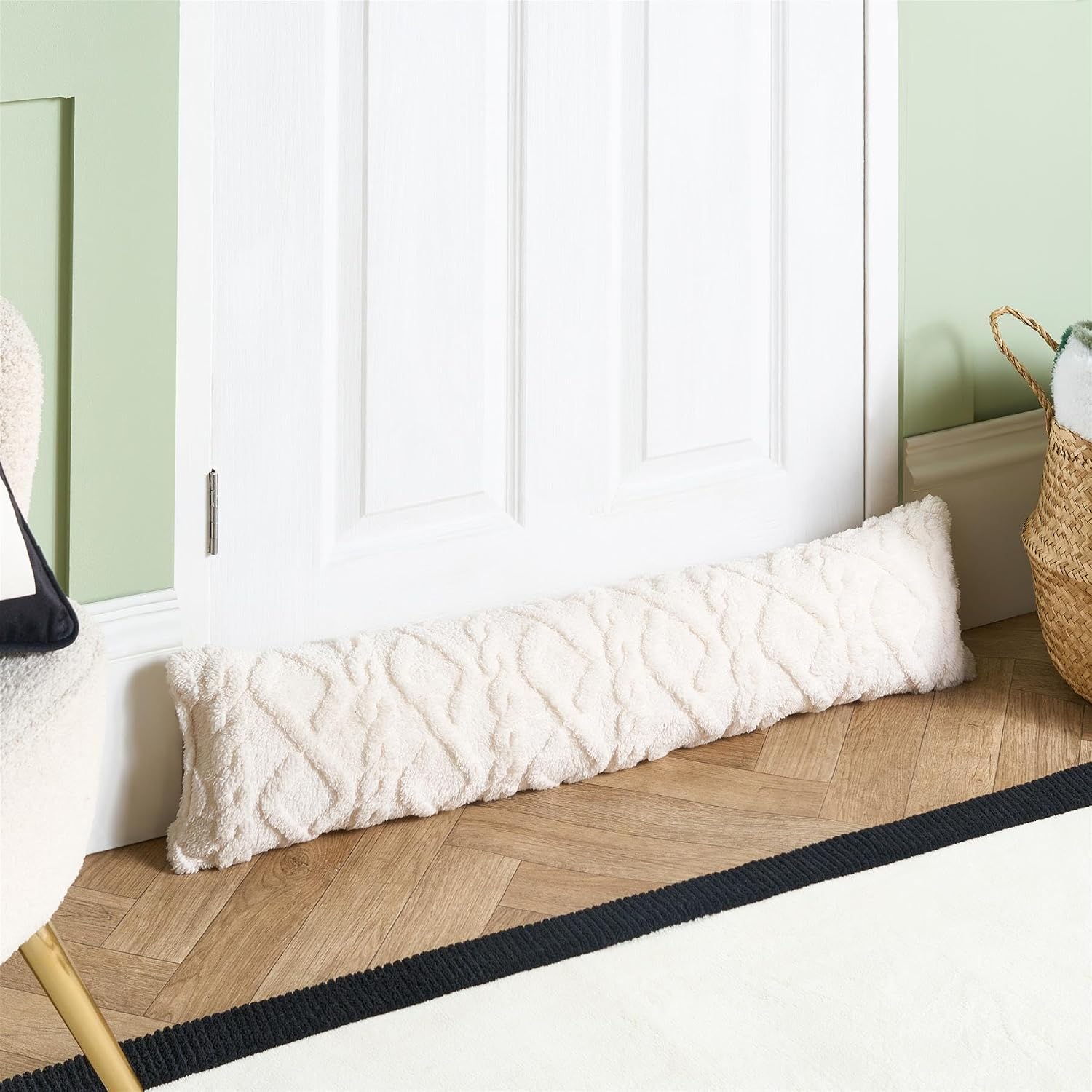
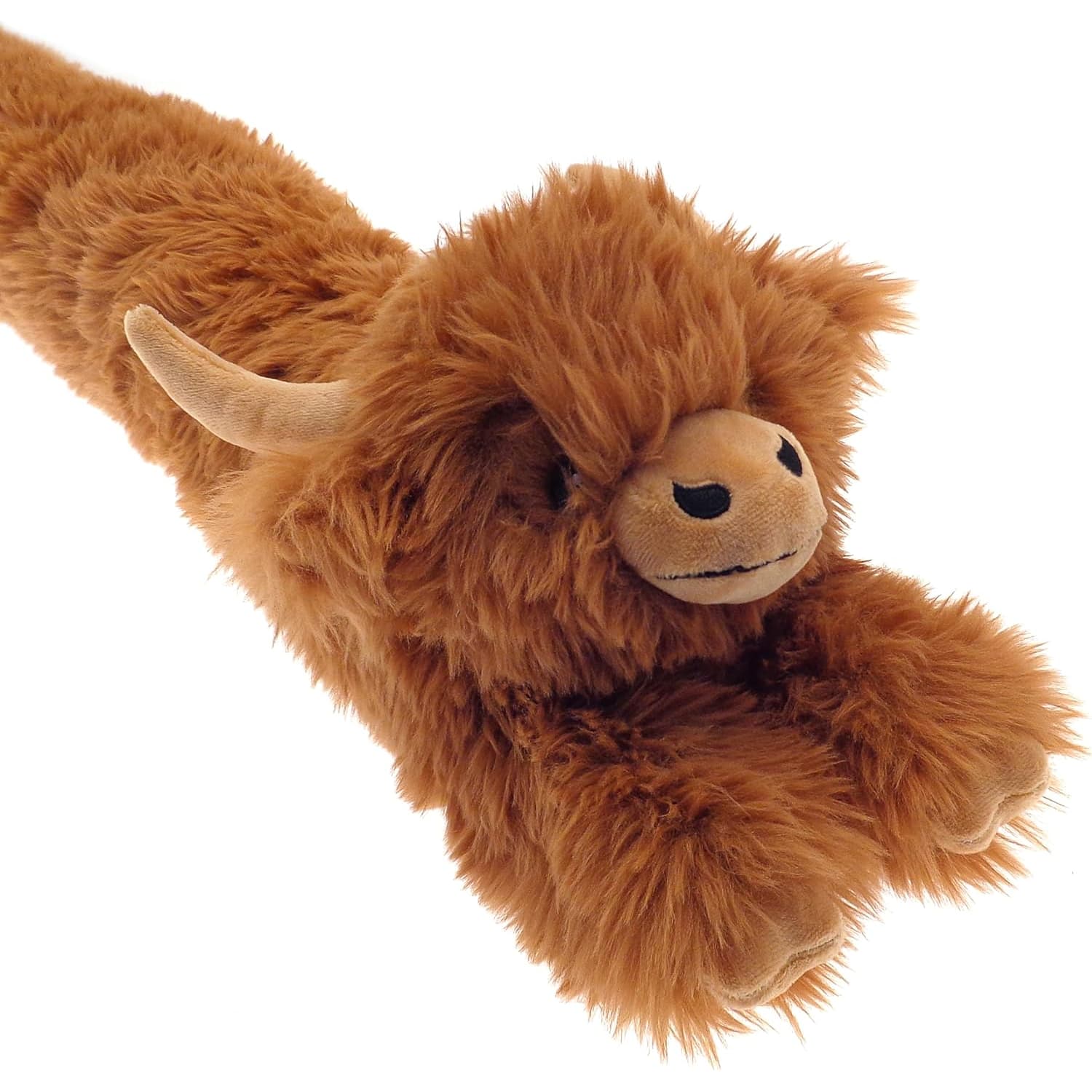
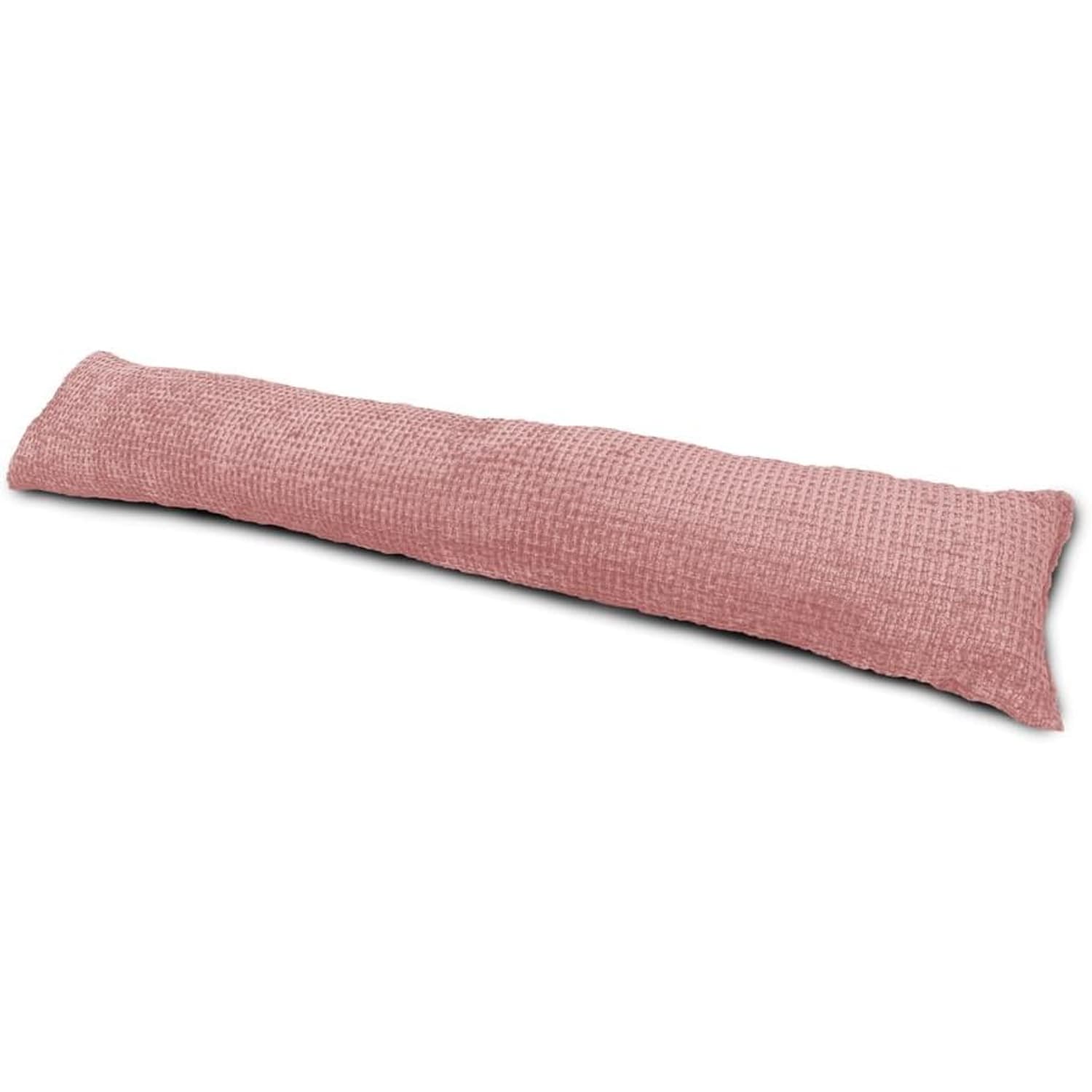
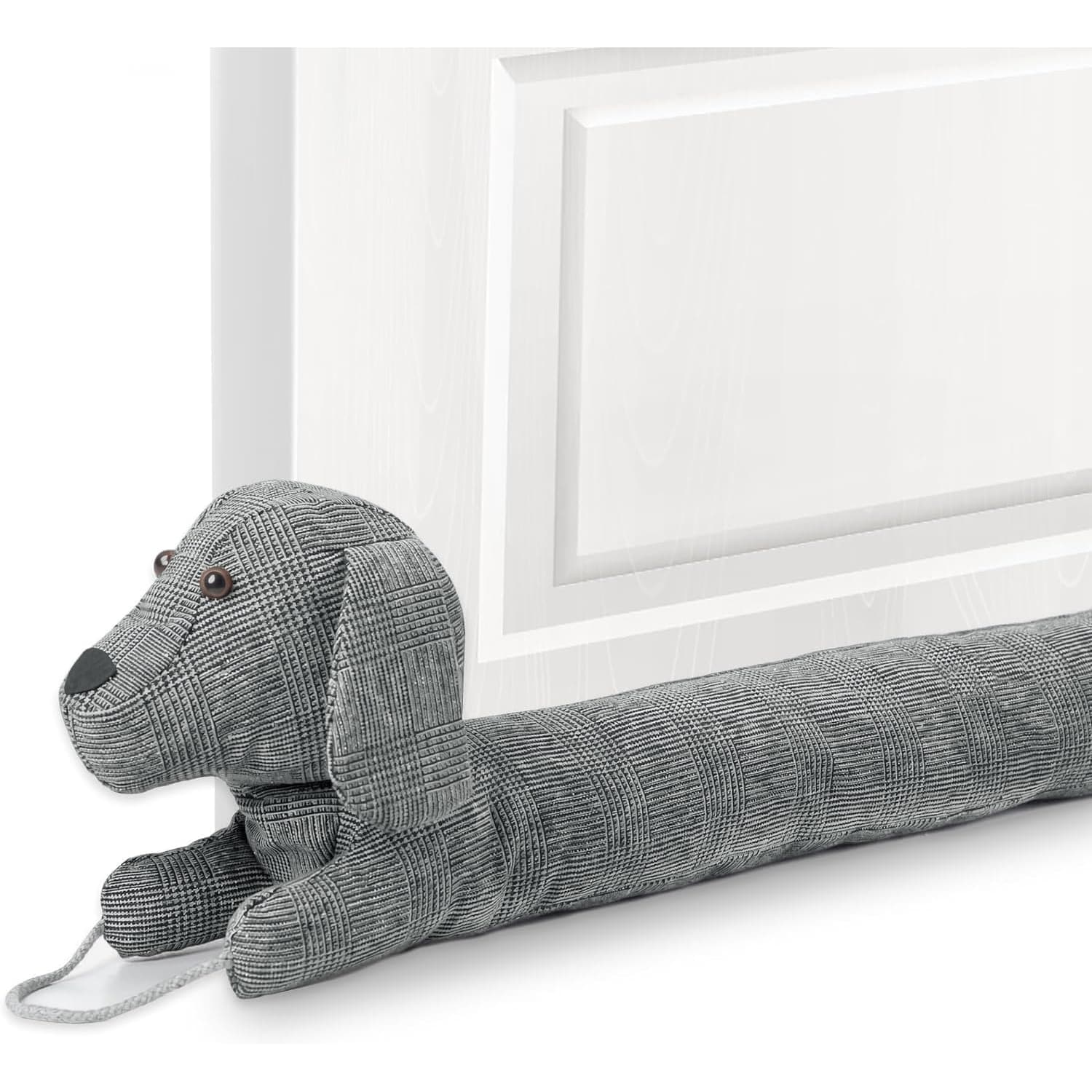
There are three broad designs and they behave very differently. A loose cushion or snake just lies on the floor against the door, so it moves with you when you walk through and needs putting back. A twin-sided cover slides over the bottom of the door itself and sits either side of it, so it travels with the door and never gets left behind. A hook-and-loop cushion is stuck to the door with a fixing strip, which keeps it in position but means it drags on the floor each time the door swings.
If the door is opened a lot, such as a hallway or a kitchen, the twin-sided or fixed styles are less irritating. If the door is mostly shut, like a spare room or a front door that is used in the evening, a heavy weighted snake is simple and moves out of the way in one second.
Measure the width and the gap before you buy
Measure the width of the door leaf at the bottom edge and measure the gap between the bottom of the door and the floor at its widest point. Most UK internal doors are 762mm or 686mm wide and front doors are commonly 838mm to 914mm, so a 90cm excluder covers most of them. A wide patio or double door needs a longer product, and the 107cm option in this range is aimed at exactly that.
The gap matters just as much as the width. A thin excluder on a 20mm gap will not seal, and a very fat one on a carpeted threshold will stop the door closing. Every product page lists its maximum gap fill so you can compare it with your own measurement.
Floors, carpets and thresholds
On smooth tile, vinyl or laminate, a weighted or cushion-style excluder sits tightly against the floor. On a thick carpet or an uneven threshold the seal depends on the excluder being soft enough to follow the surface, which favours fabric and foam over a stiff strip.