


The complete guide
Choosing a draught excluder: what actually matters
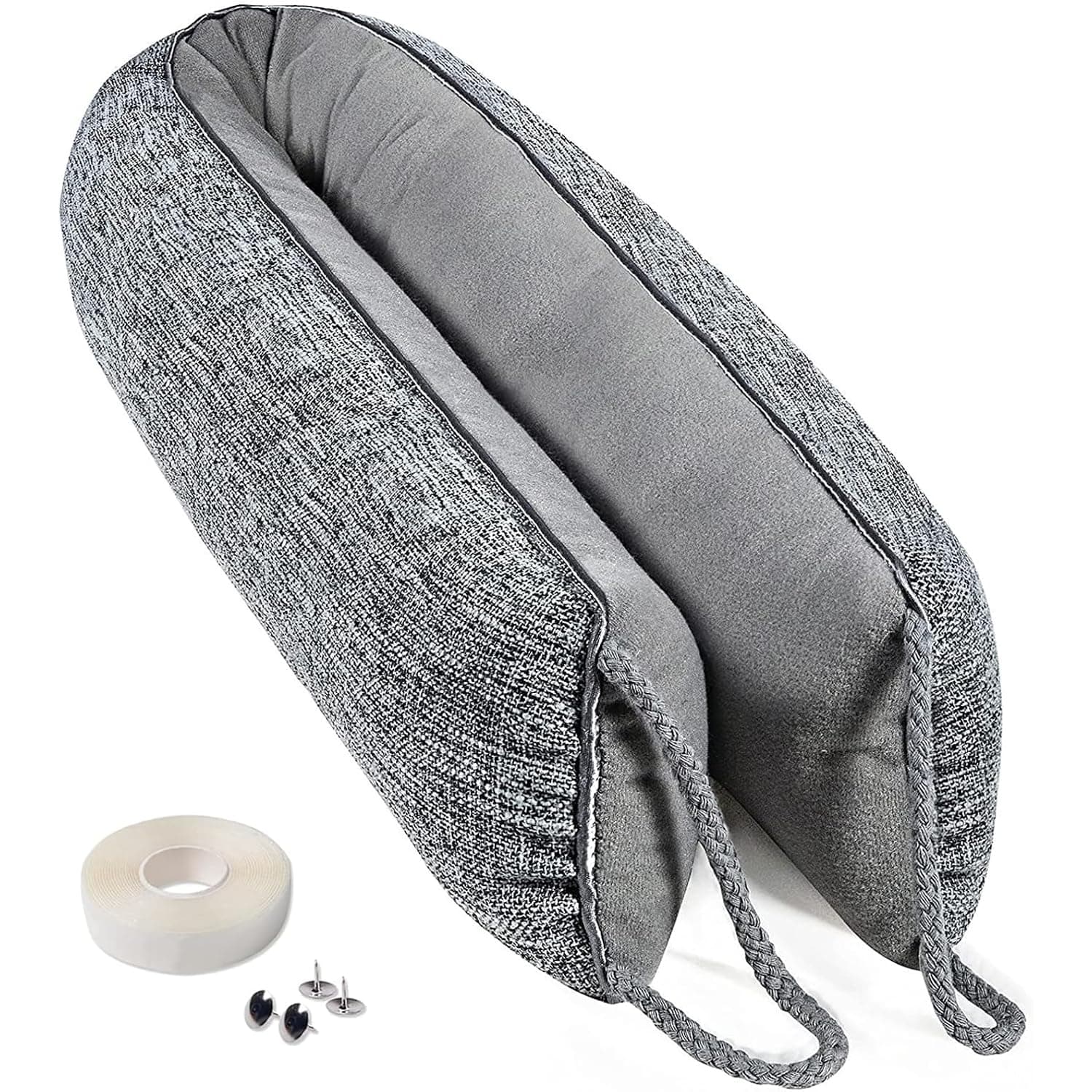
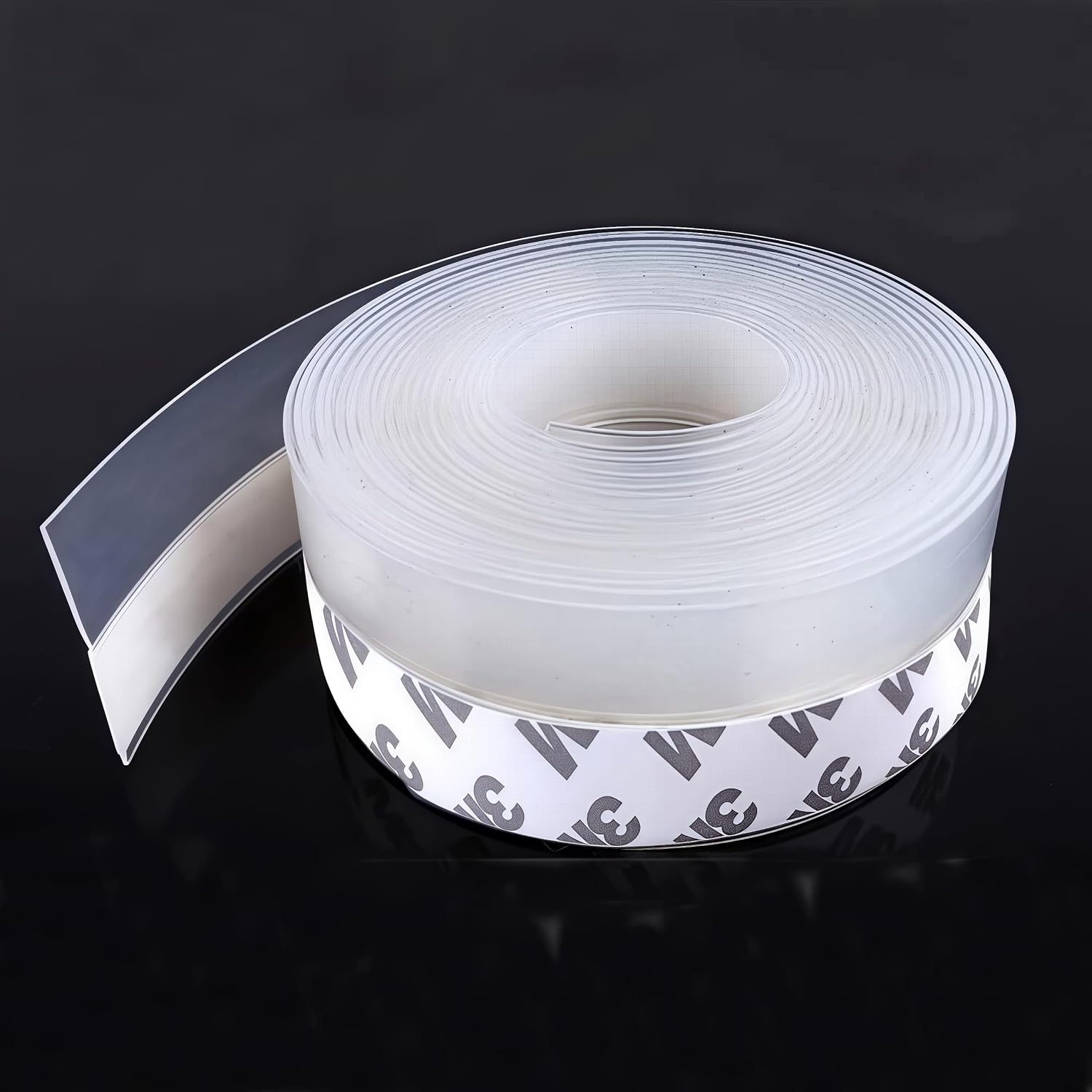
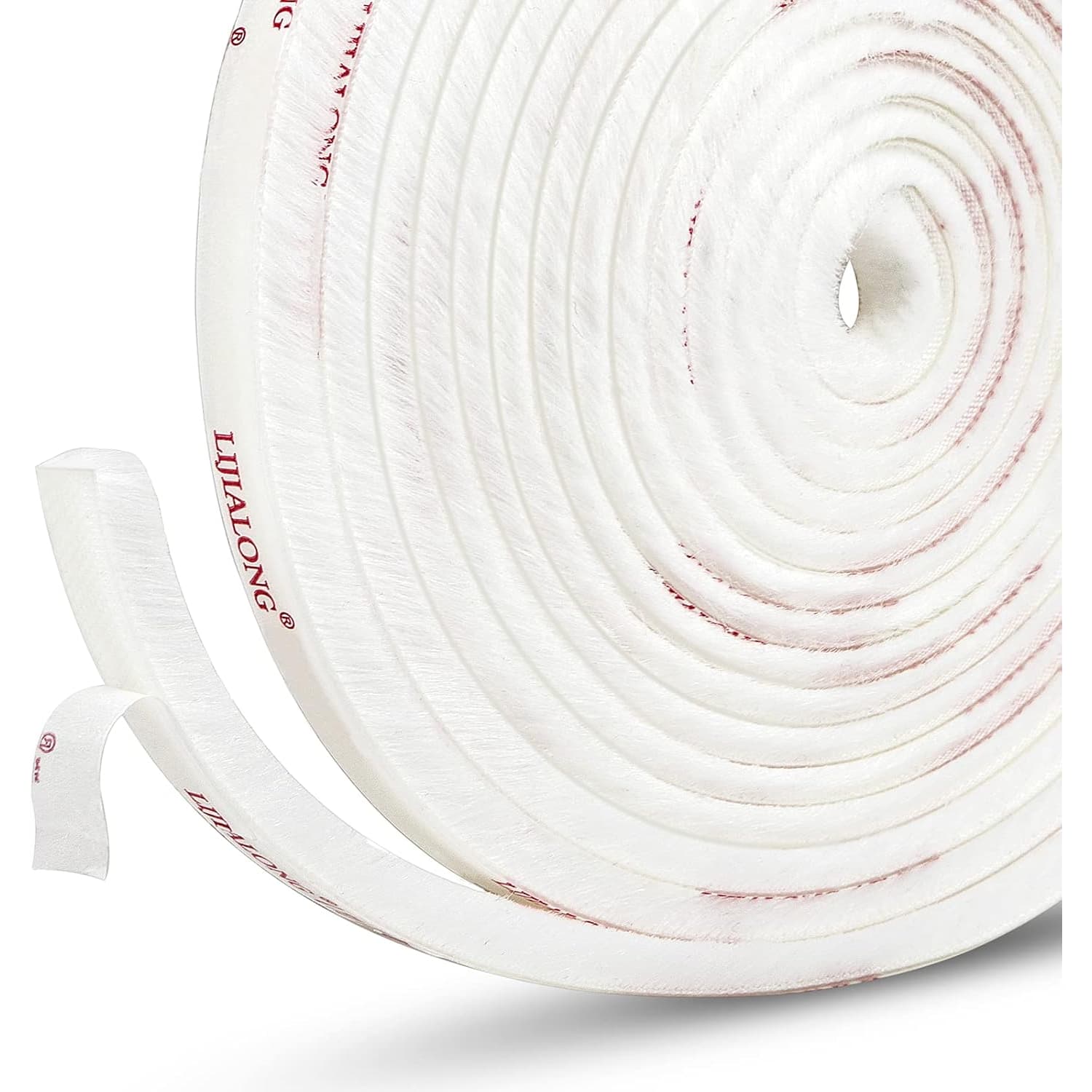
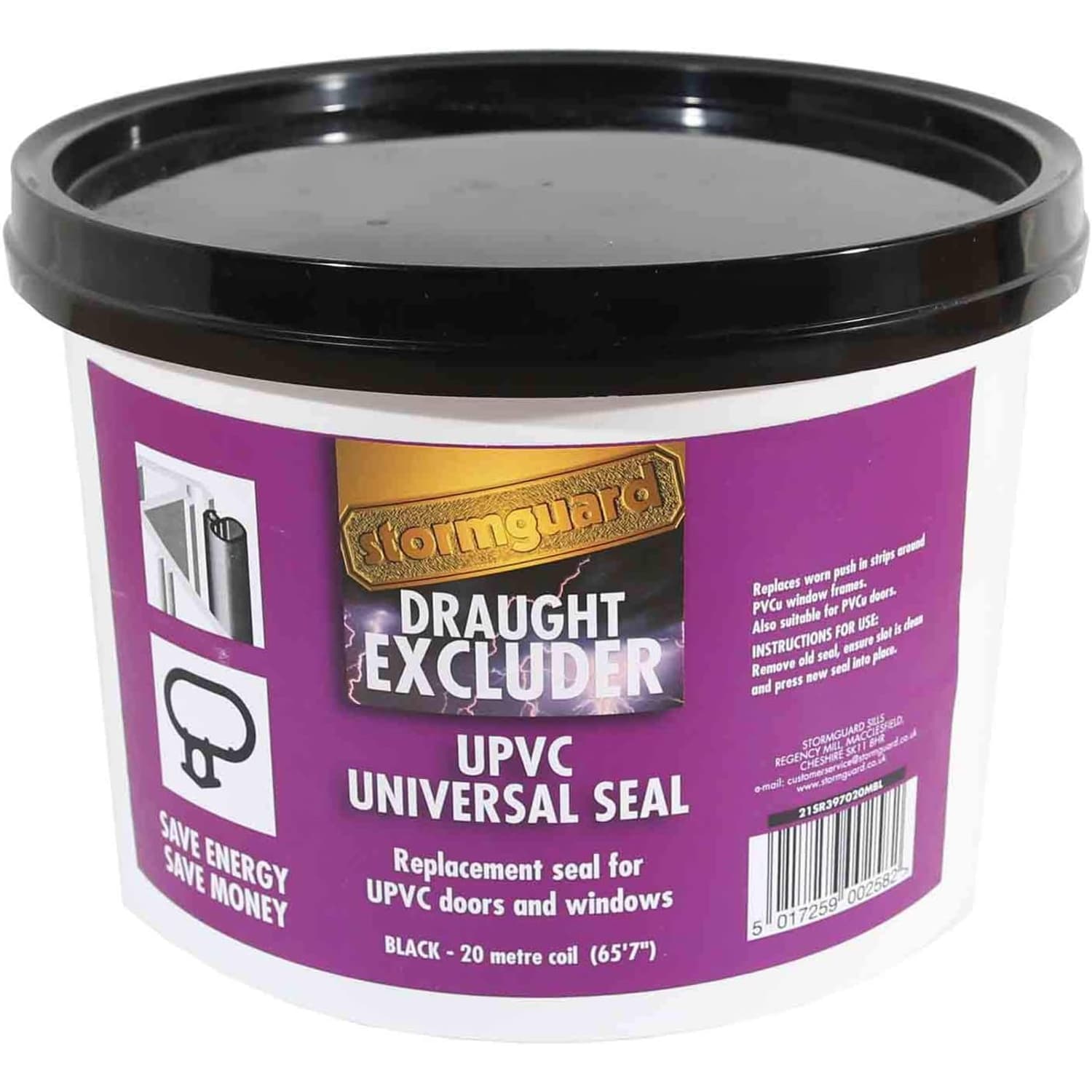
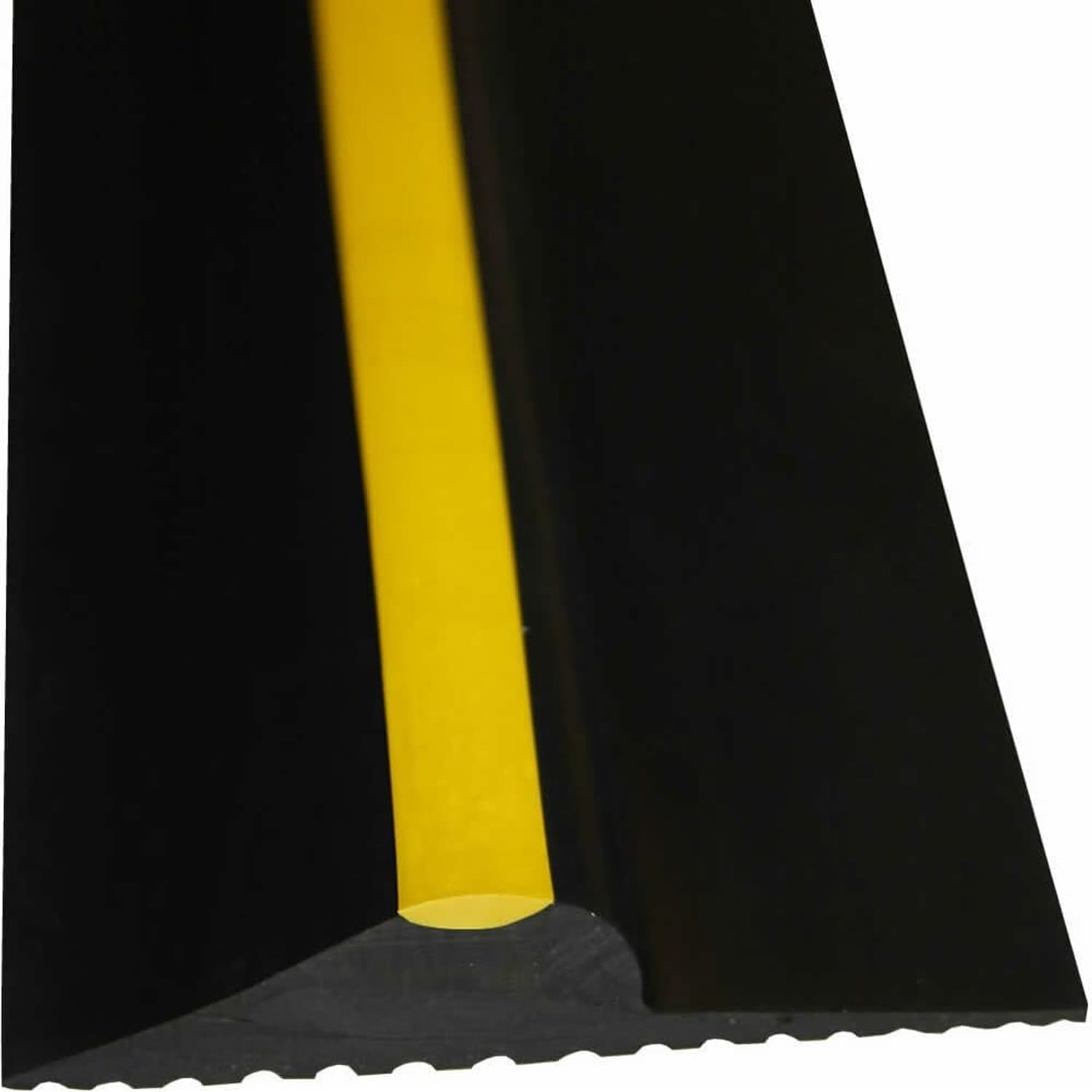
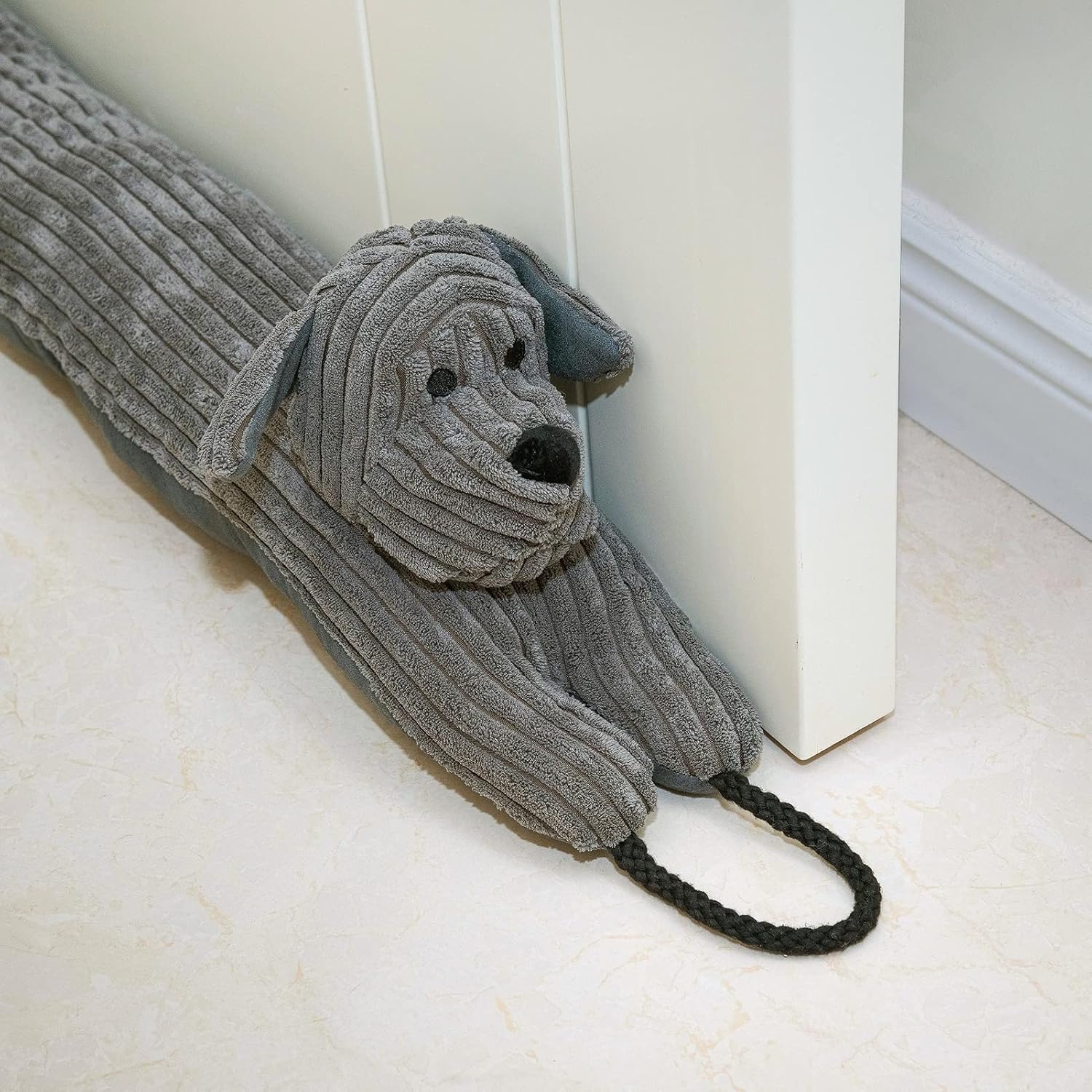
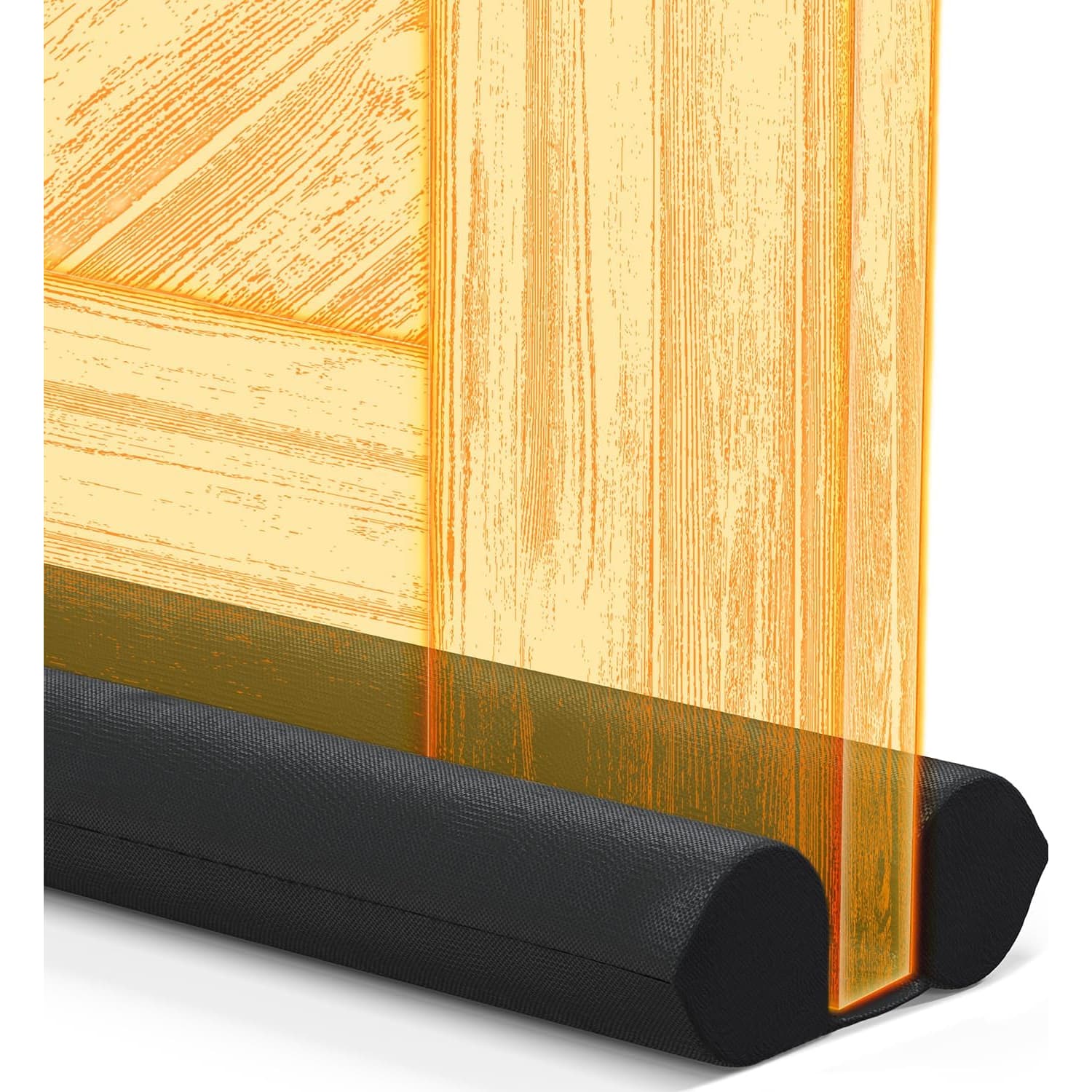
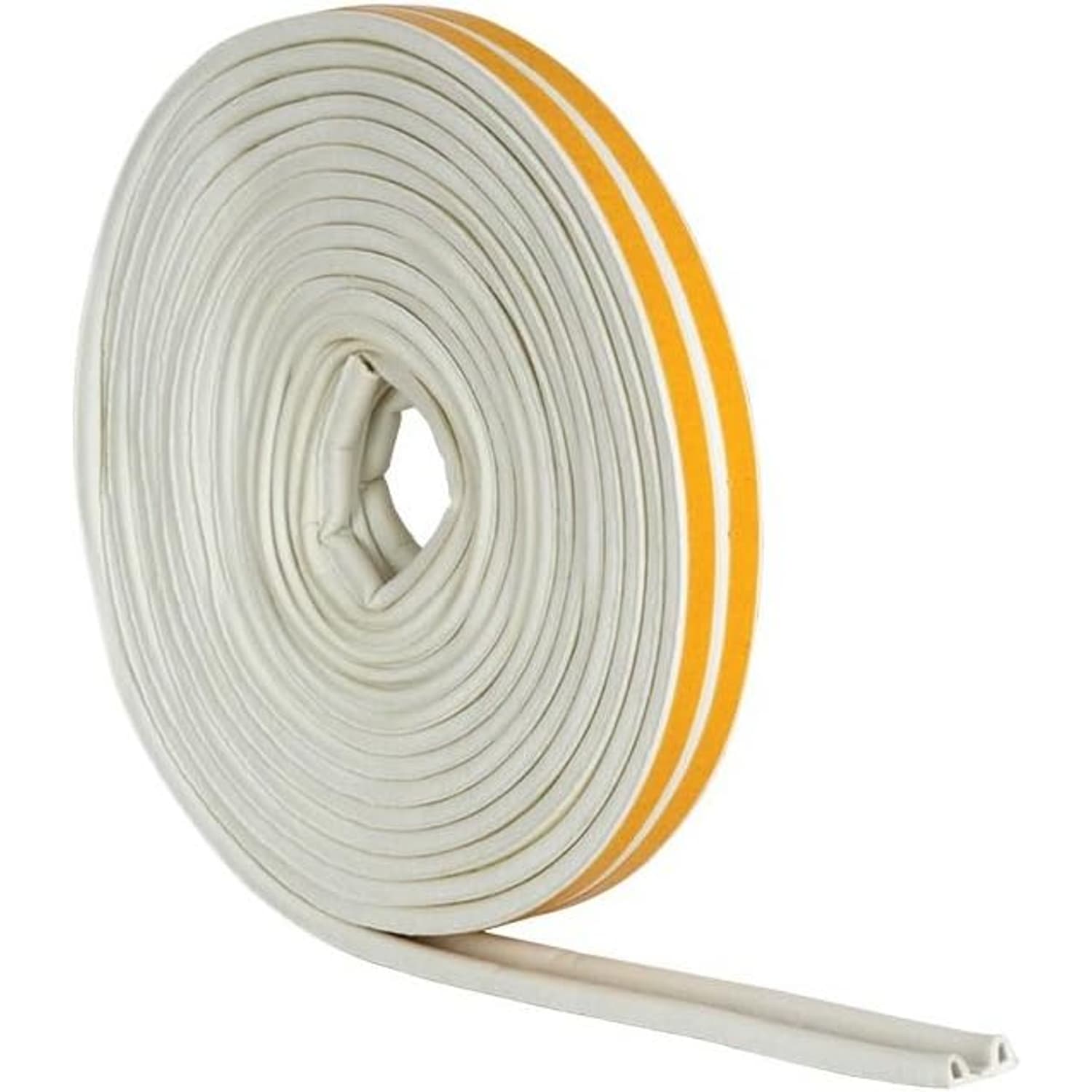
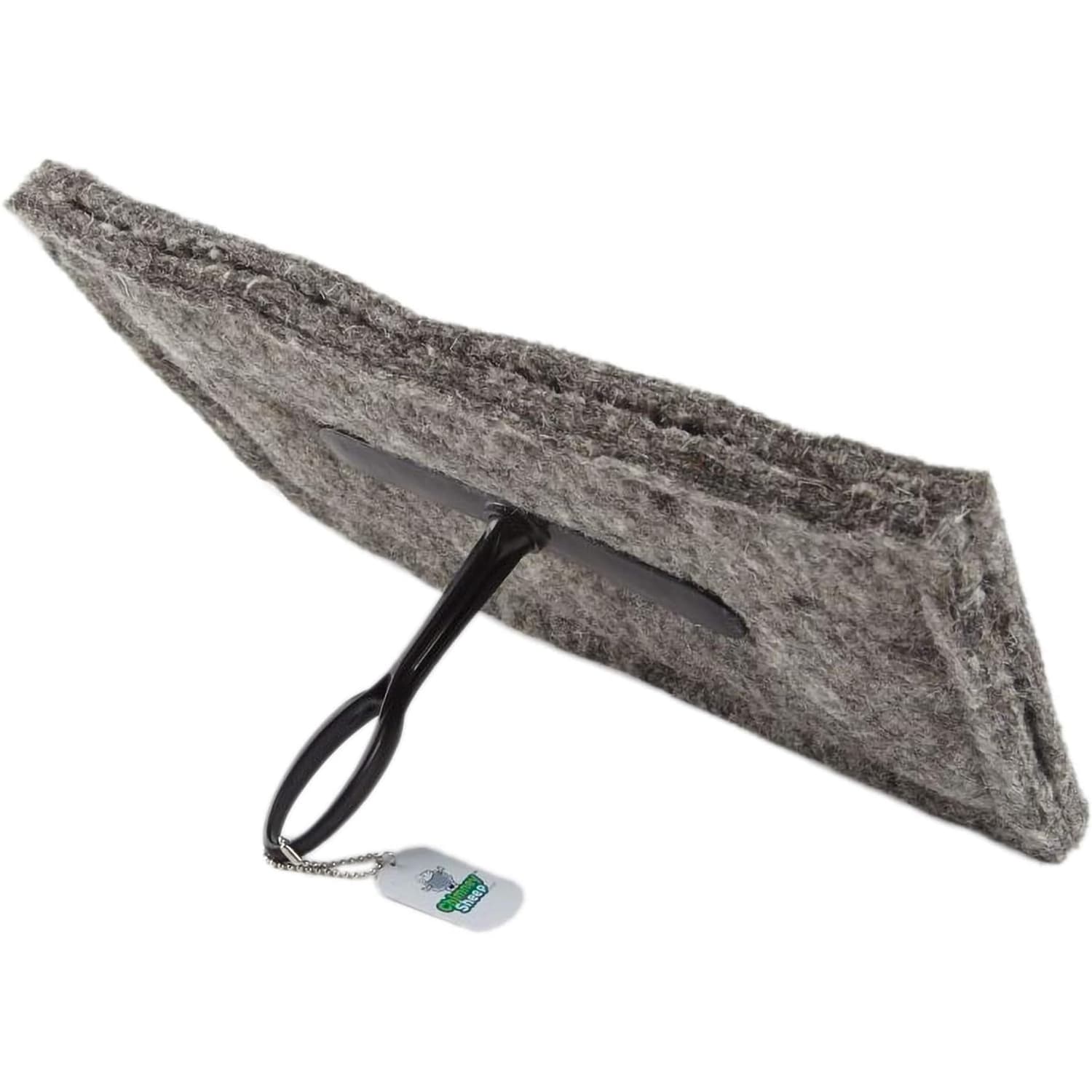
A draught excluder is any product that closes a gap where unwanted air moves in or out of a room. The word covers a fabric snake on the floor, a silicone strip on the bottom of a door, a roll of foam tape round a window and a wool pad in a chimney. They all do the same job in different places, which is why picking the right one starts with finding the gap, not choosing a product.
1. Find the gap and measure it
On a breezy day, run the back of your hand along door and window frames and under doors. Measure the width of each door, and the biggest gap under it. Our guide to finding draughts and our guide to measuring a door gap take you through it step by step.
2. Decide between loose and fixed
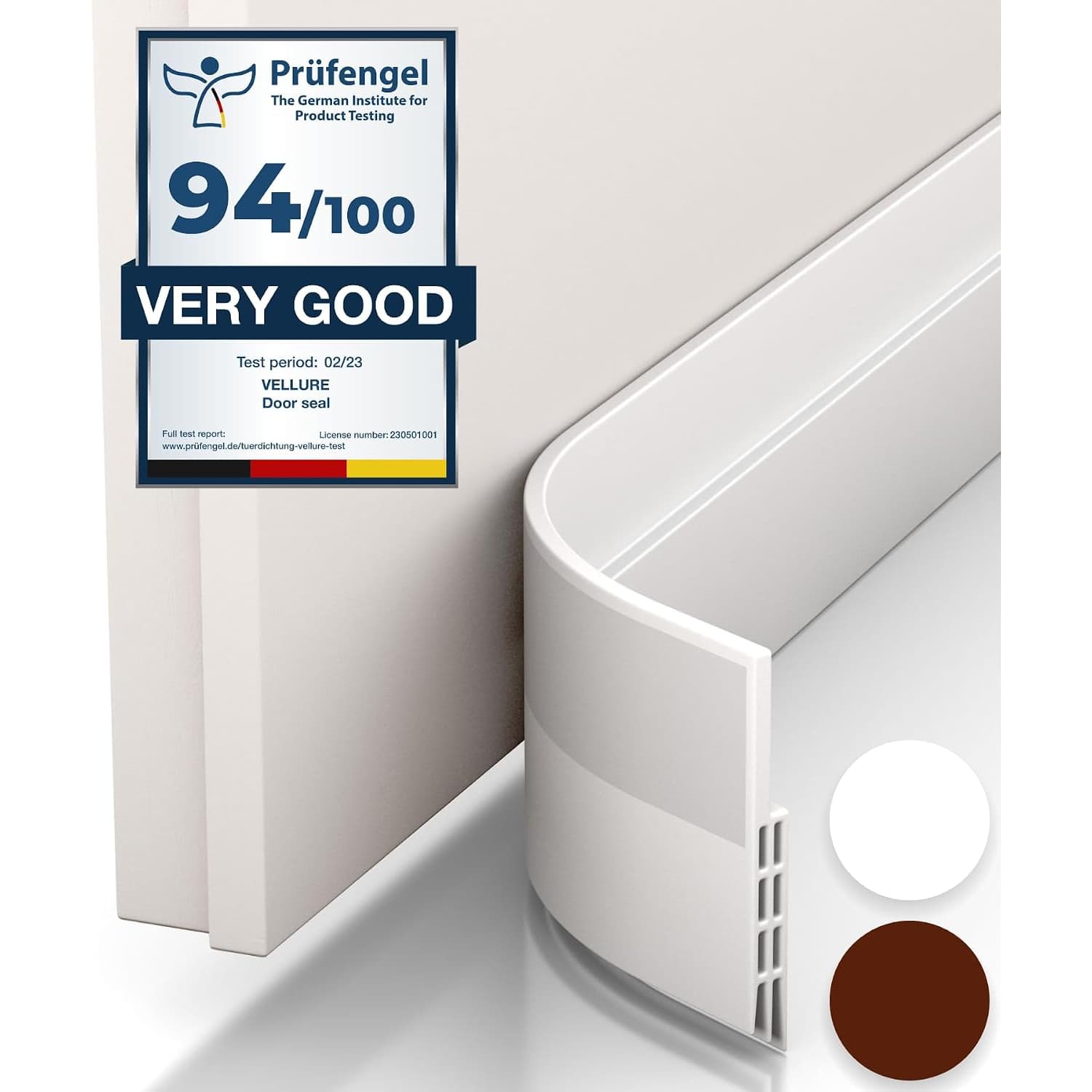
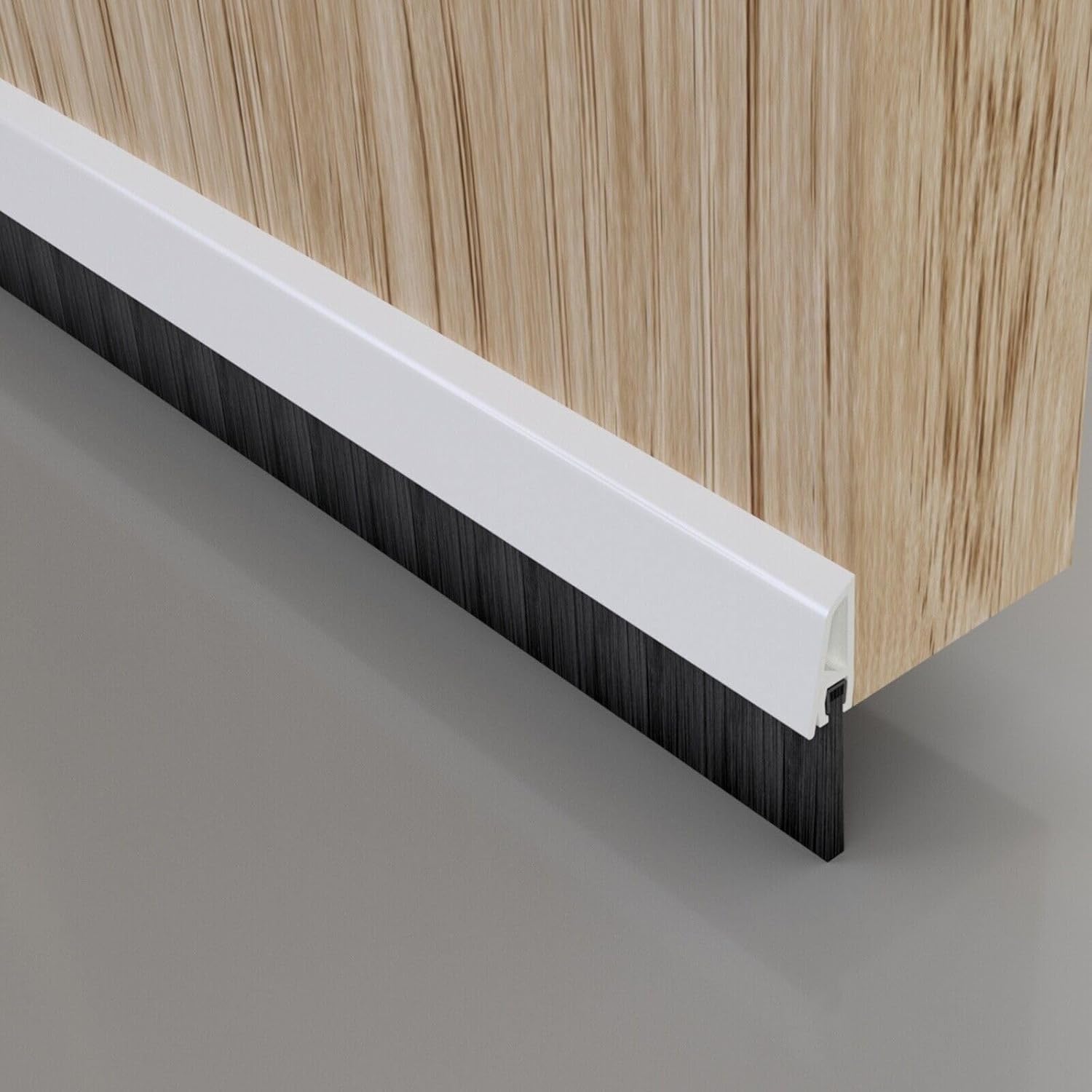
A loose excluder is cheap, needs no fitting and goes with you when you move. A fixed seal stays on the door and works without you having to remember it. Our comparison of draught excluders and door seal strips lays out the trade-offs.
3. Match the product to the gap
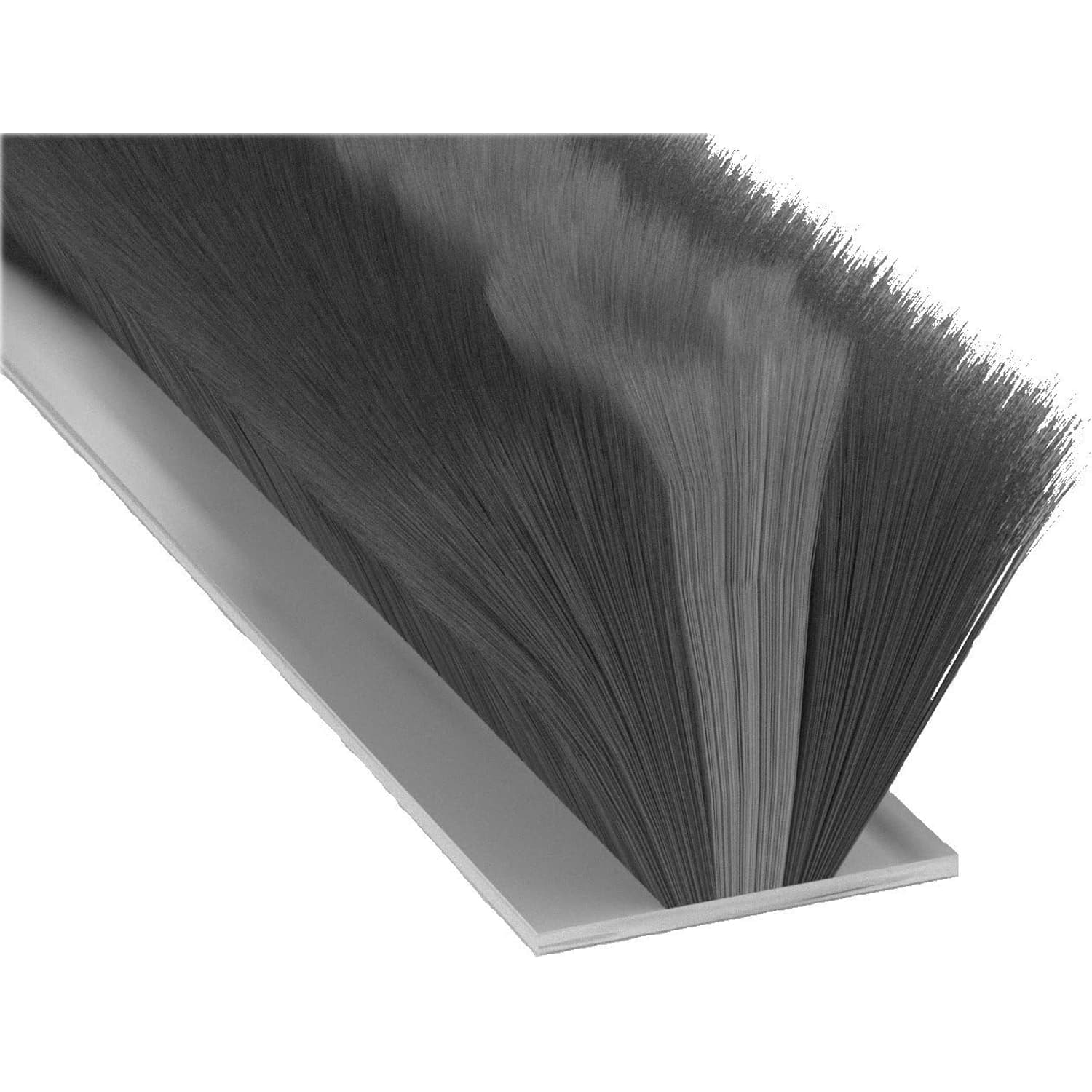
A thin tape for a thin gap, a deep cushion or brush for a big one. If a seal is too thin it never touches both surfaces, and if it is too thick the door will not close. Every product page on this site states its maximum gap fill, so you can compare it directly with your own measurement.
4. Do not forget the small leaks
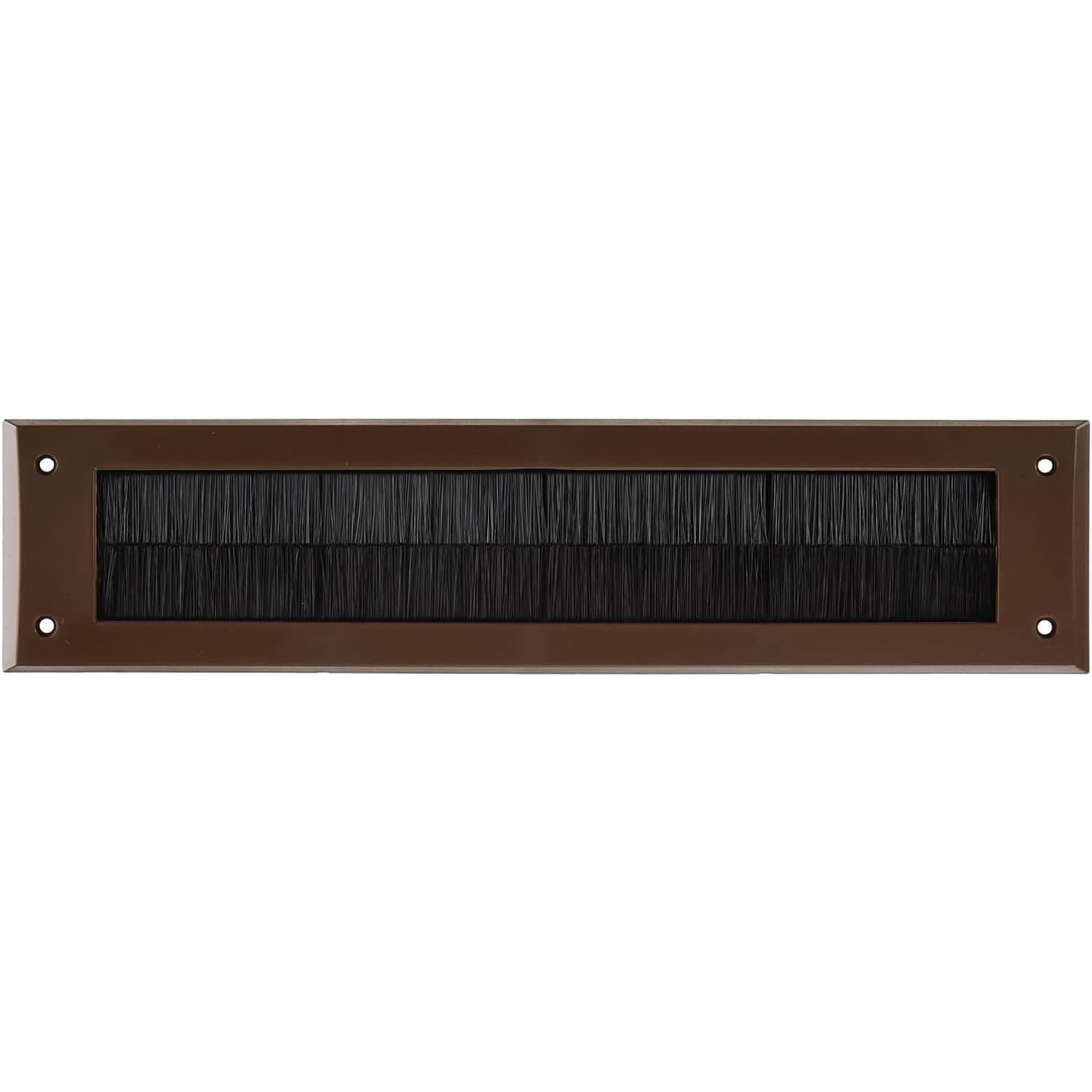
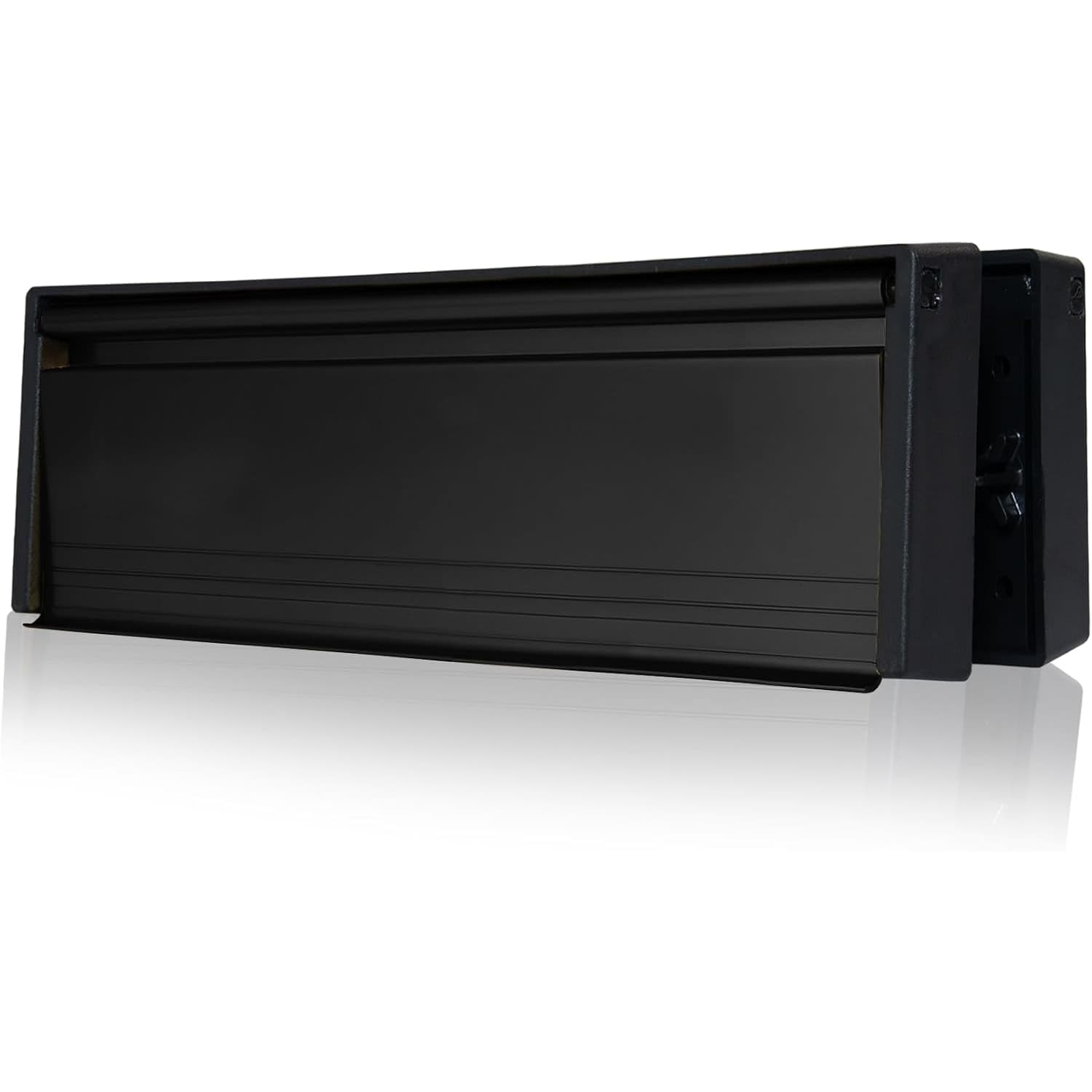
A letterbox, a keyhole, an unused chimney and a loft hatch can leak as much as a gap under a door. Work through the house with our cheap draught-proofing plan and tackle the biggest leaks first.
5. Keep the house ventilated
Draught-proofing removes uncontrolled leaks. It should never block the ventilation your home needs, such as trickle vents, extractor fans and air bricks, or any flue that serves a fire or a boiler.