
Buying guide
When a window seal needs replacing
Rubber gaskets harden and shrink over the years. A seal that has gone brittle, pulled away from its groove or flattened permanently stops pressing against the sash, and the first sign is usually a whistle in the wind or a cold line along the edge of the frame.
Run a hand around a closed window on a windy day. If you can feel moving air at the frame, the gasket is the first thing to look at before you blame the glass.
Get the groove and the profile right
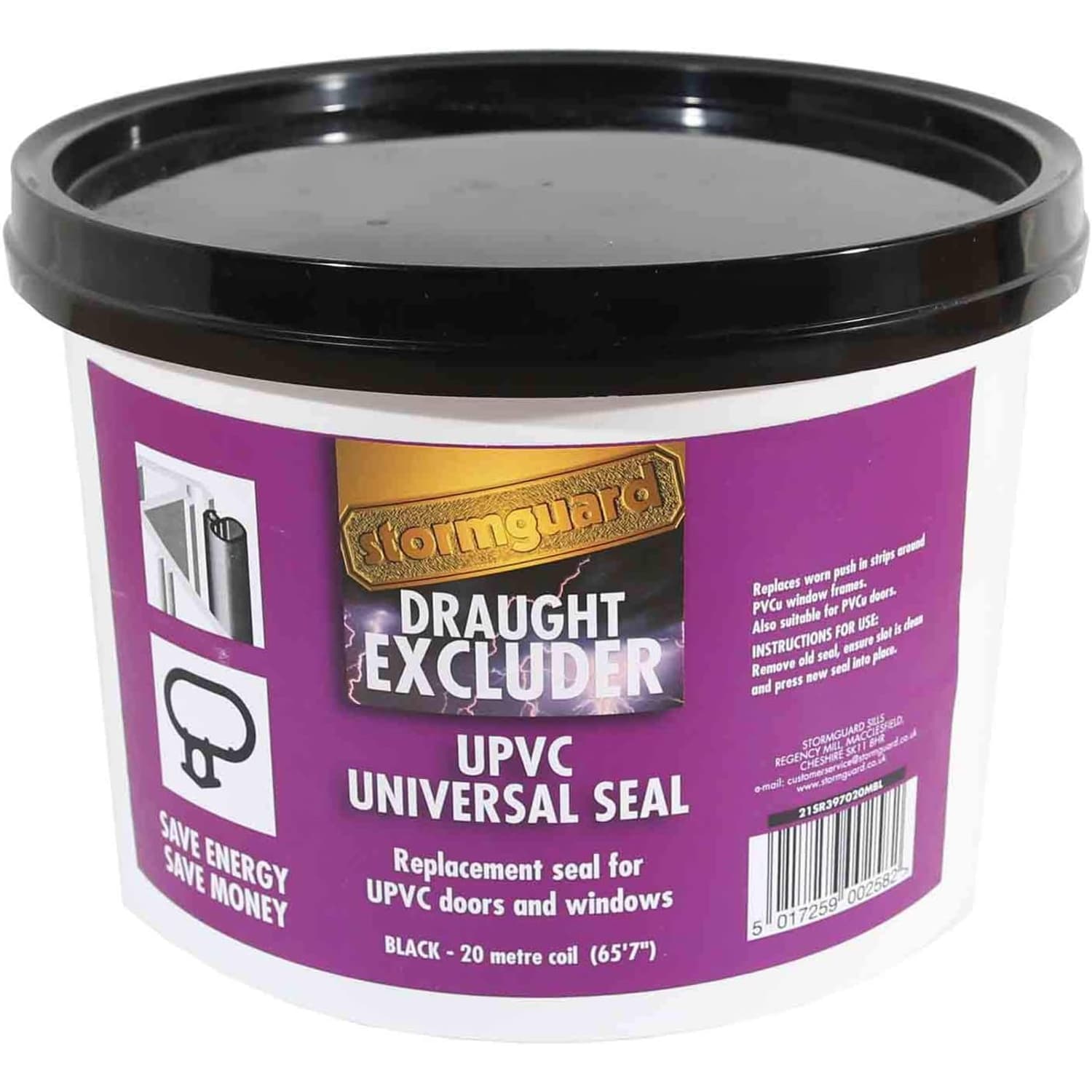
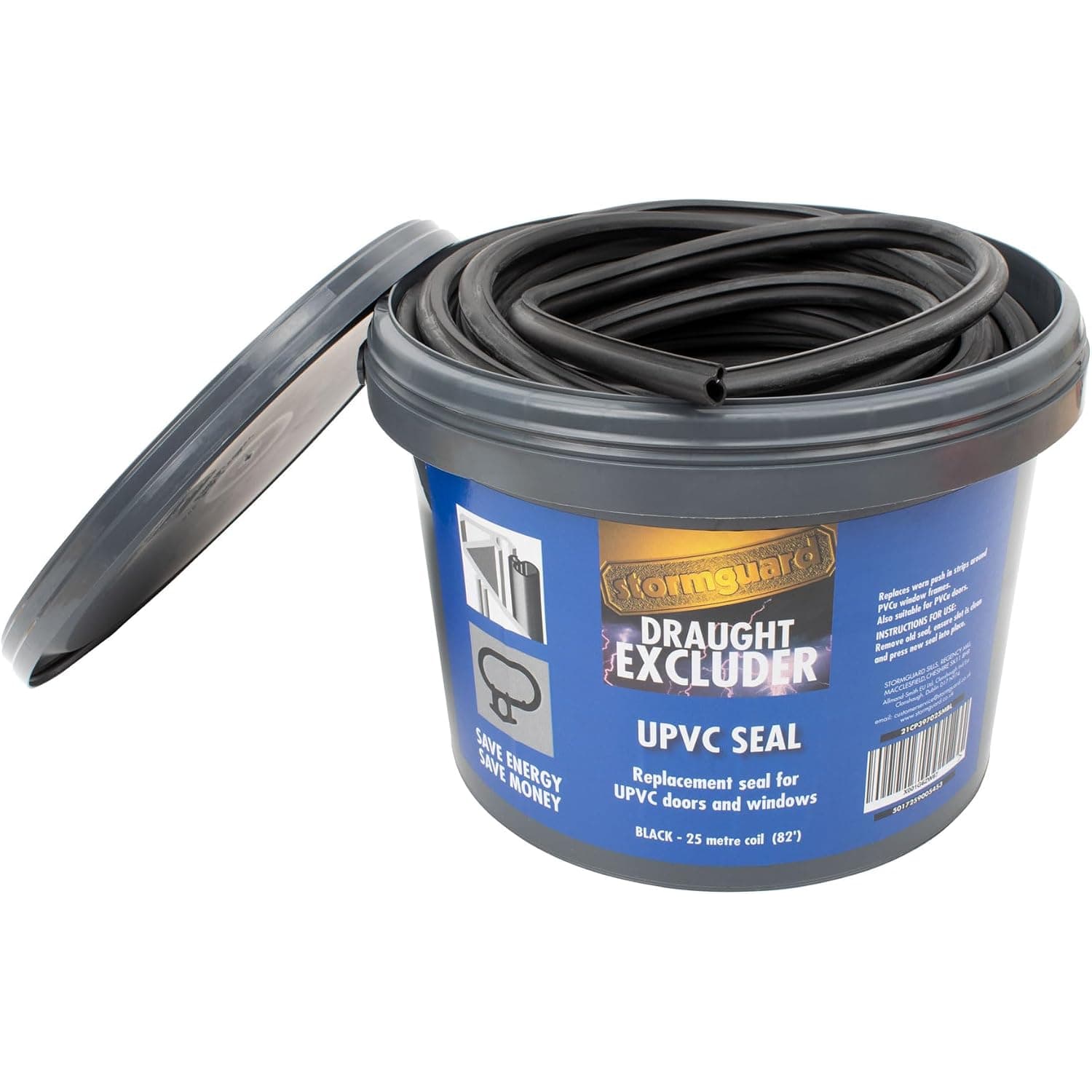
Replacement gasket is not one size. The seal sits in a narrow groove in the frame, and the groove width and the profile of the rubber must match. Measure the groove with a calliper or the edge of a ruler, then compare it to the groove range listed on the product, and check the shape against your old seal before ordering.
To fit it, pull the old gasket out of its groove, clean the groove with a damp cloth, and press the new rubber into place with your thumbs, working along the length. Do not stretch it as you go, because stretched rubber shrinks back and leaves a gap at the corners.
Clear sealing tape for sash edges
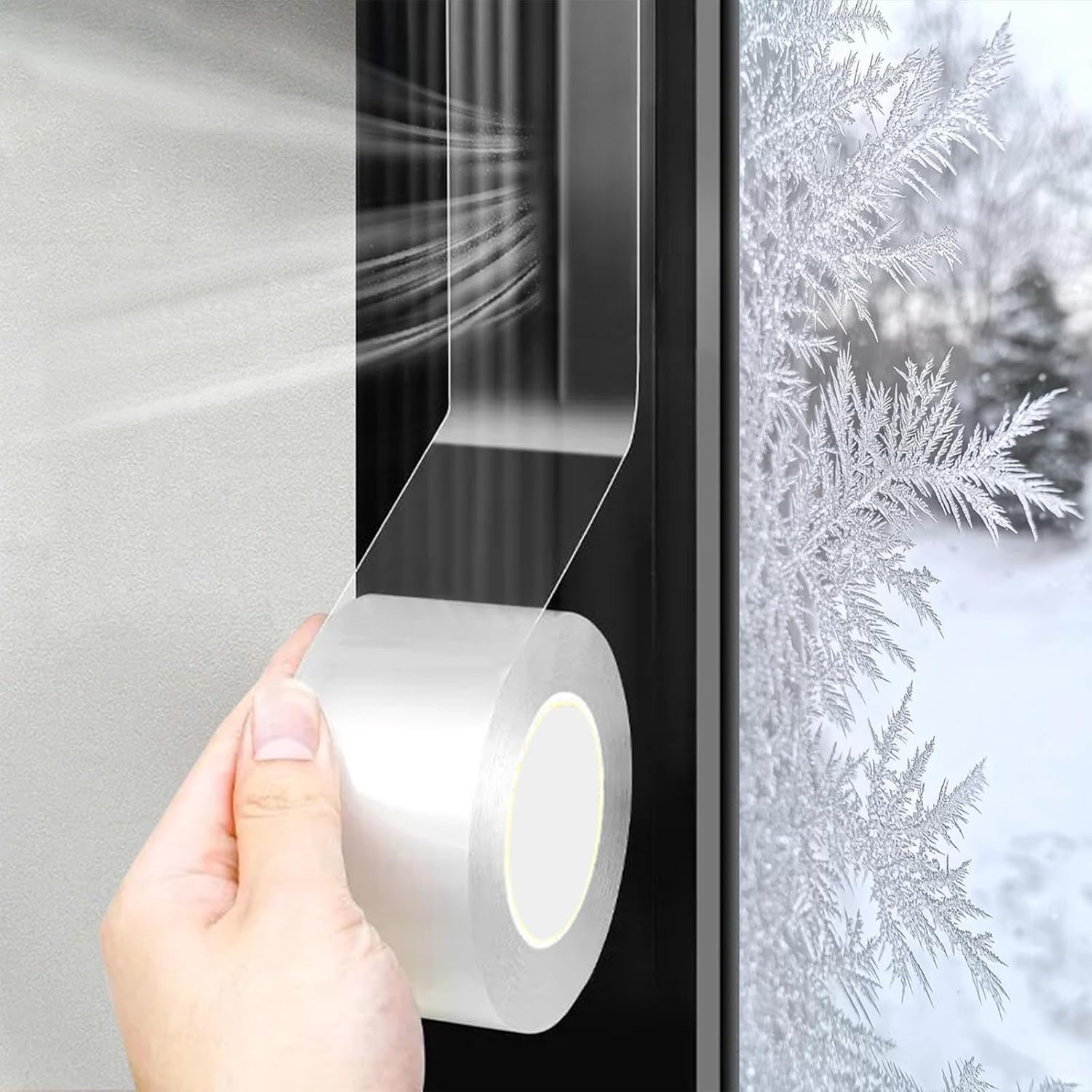
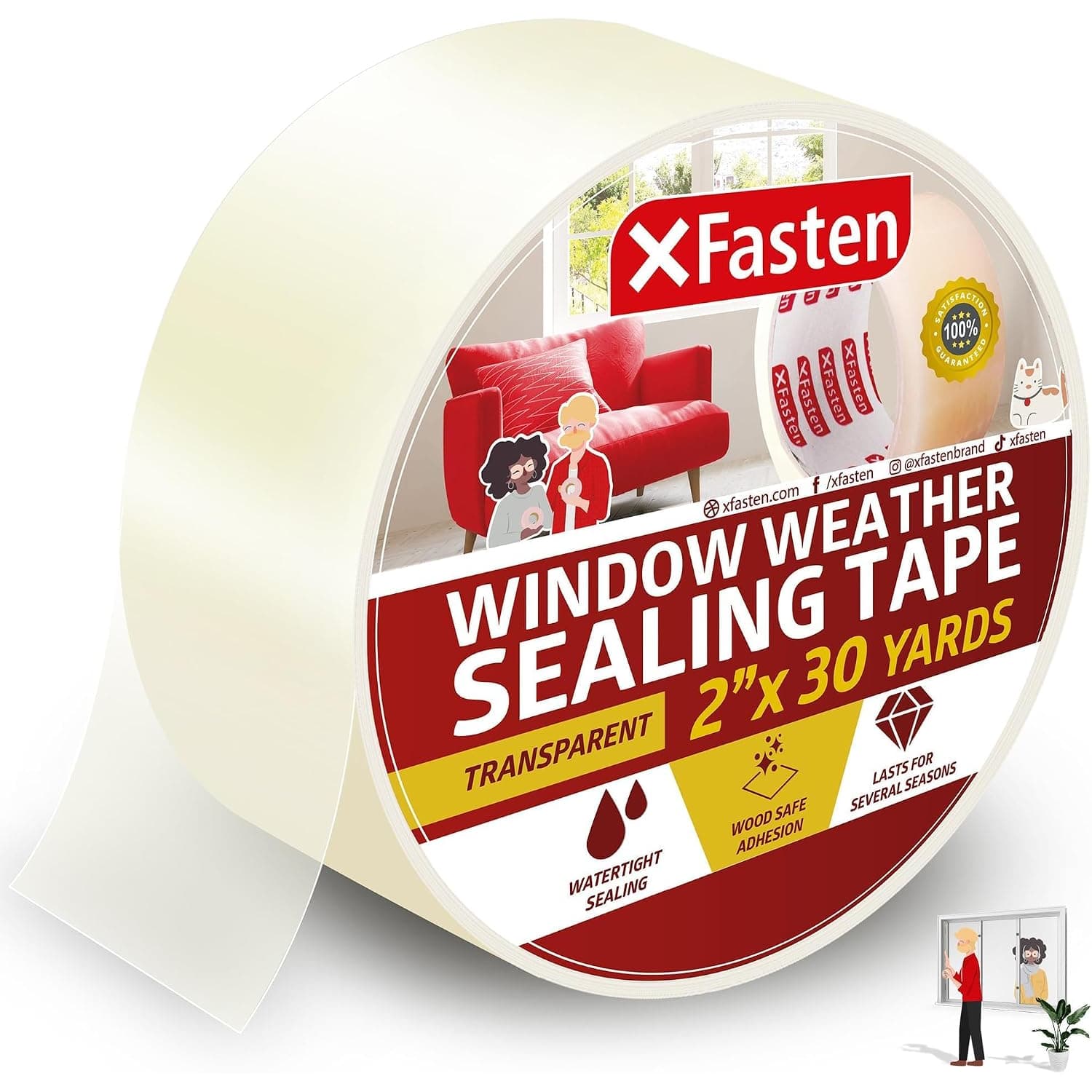
A clear sealing tape is a lighter fix for the edges of a timber sash, a letterbox surround or the gap between a frame and the wall. It is not a substitute for a proper gasket on a modern window, but it works well as a seasonal measure that you can remove again in the spring.